WHO WE ARE

The Remedy Project is a national network of student volunteers and formerly incarcerated leaders with a singular, clear vision: end the human rights crisis inside of prisons in the United States.

Over the last 5 years, we have built a 3-pronged strategy to disrupt abuse through direct advocacy, expose rights violations through public advocacy, and build power through student organizing. In this report, you will discover The Remedy Project’s remarkable accomplishments over the last 5 years, and how we plan to move into our next 5 years and beyond.

665
Administrative Remedies Filed
1,148
Recorded Complaints
590
Student Volunteers
11
Campus-Based Chapters

THE PROBLEM

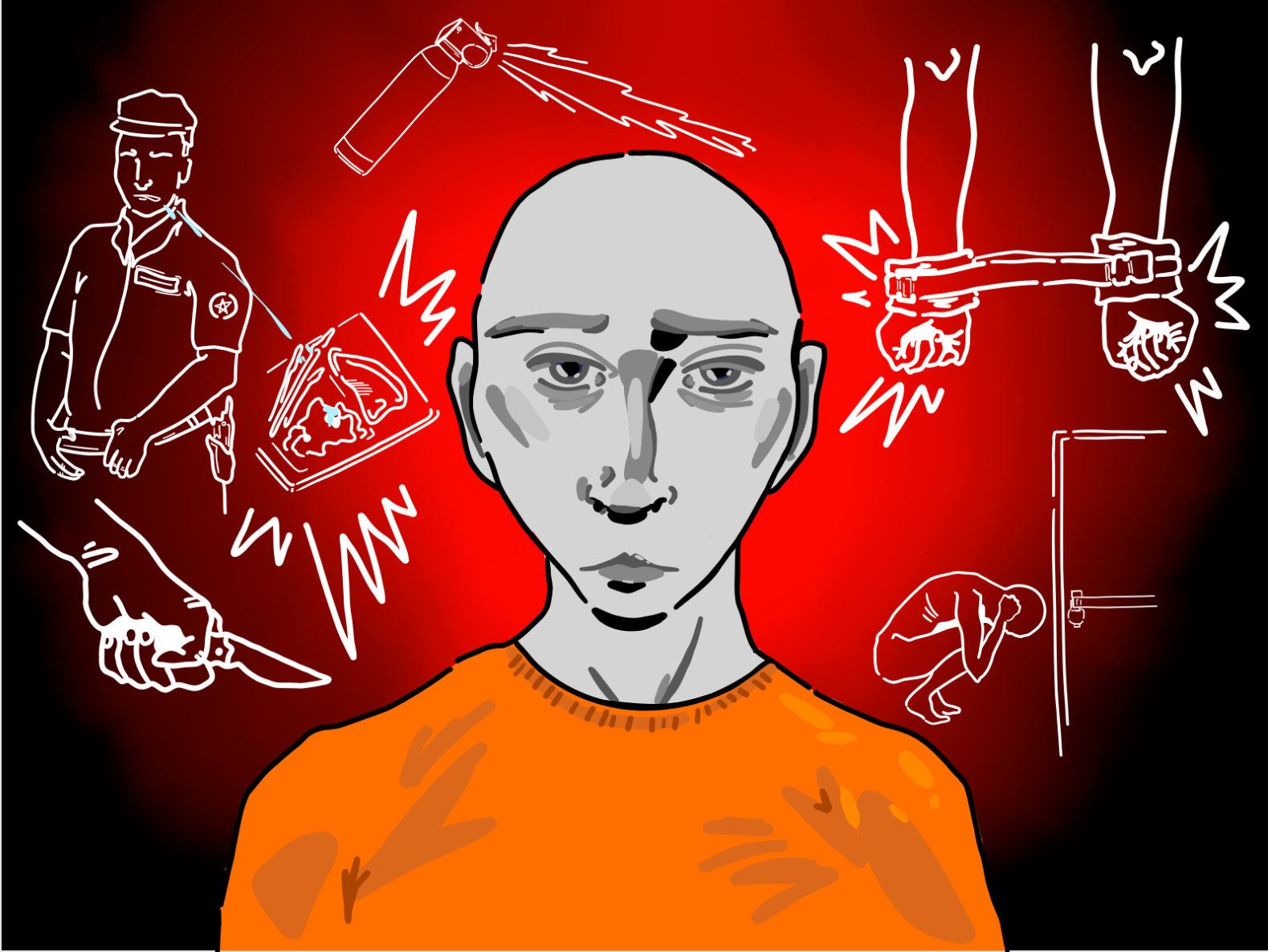
There is a human rights crisis in prisons in the United States today.

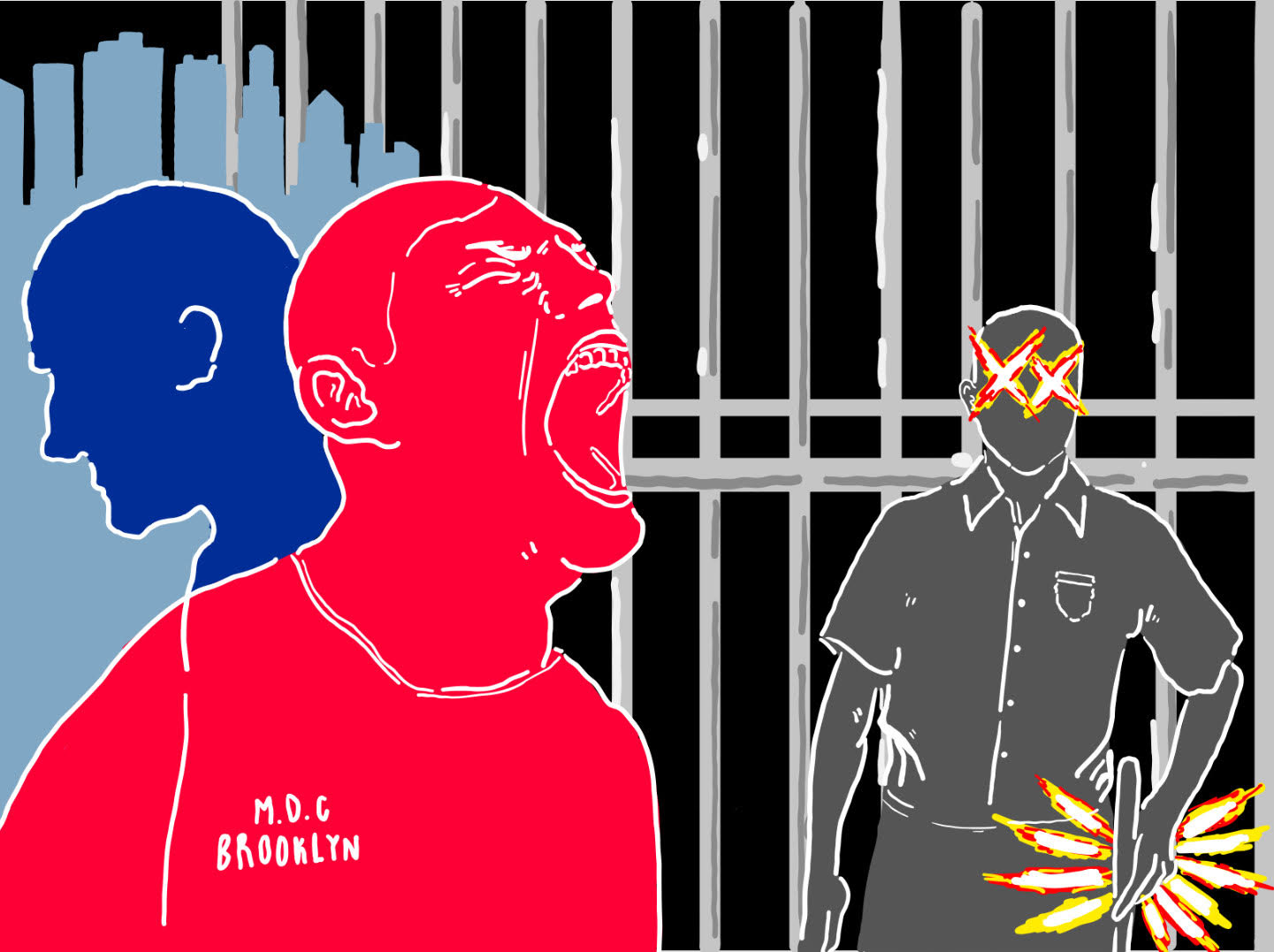
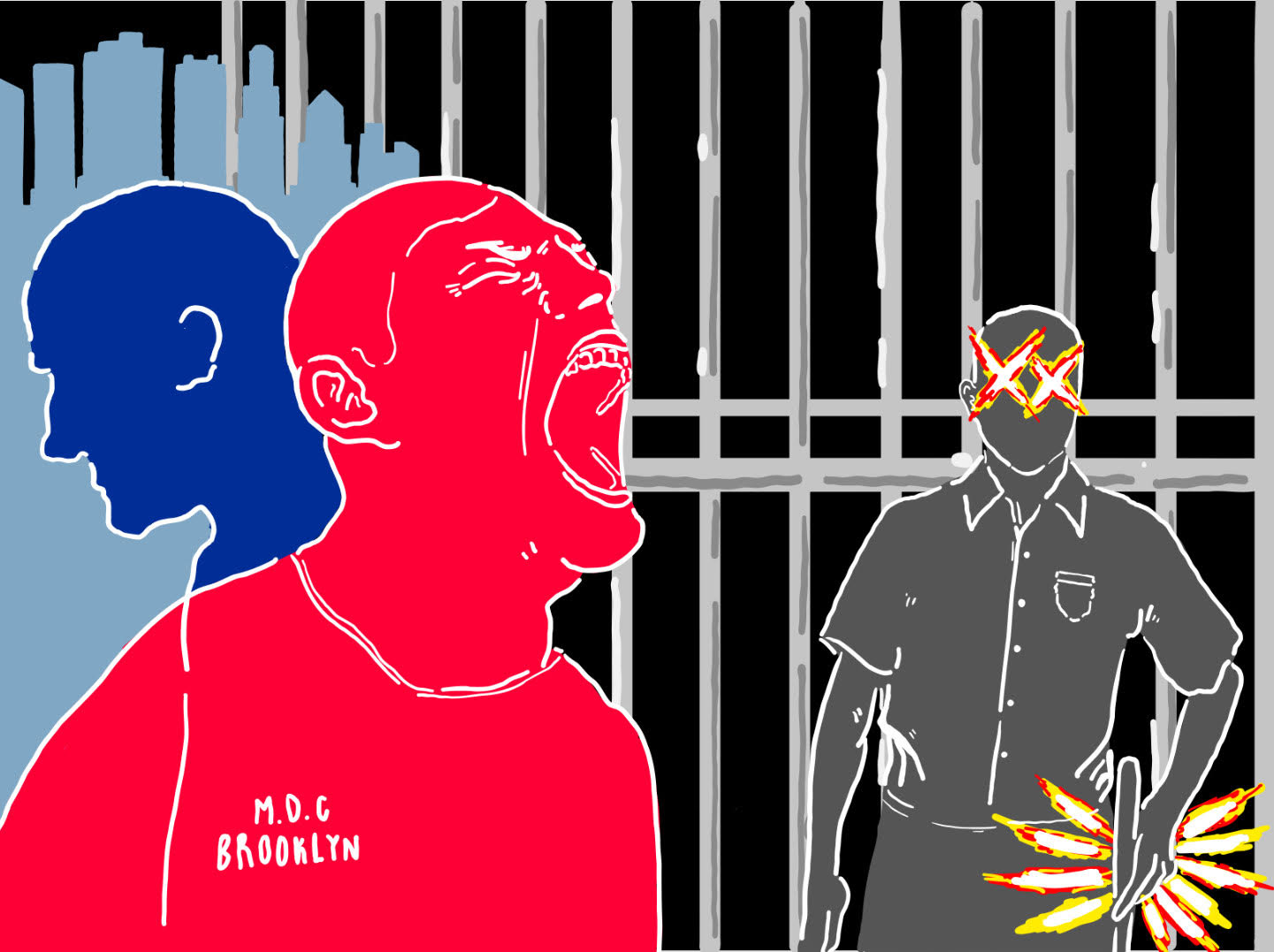
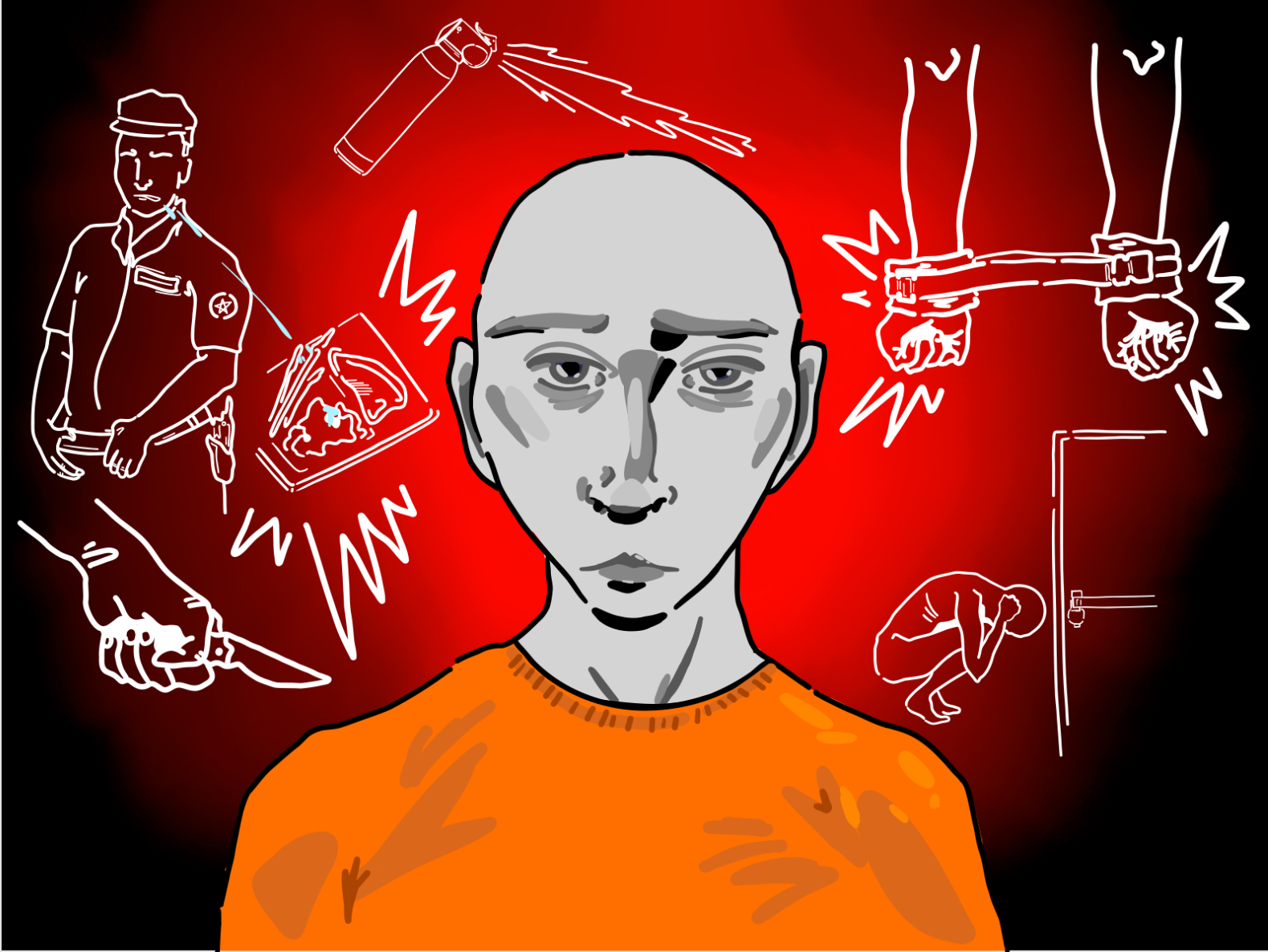
Every day, millions of people are dehumanized, terrorized, tortured, and denied proper medical care by prison administrators and guards in blatant disregard for law, policy, civil rights, and basic human decency.

The scale of human devastation across our criminal legal system is almost beyond comprehension. At this moment, there are 1.3 million people incarcerated in United States prisons, and an average of 450,000 people are admitted and released every year. The result is that 1 in 20 Americans are incarcerated at some point in their lifetime, and nearly 1 in 2 Americans (45%) have an immediate family member who has spent at least one night in jail or prison.

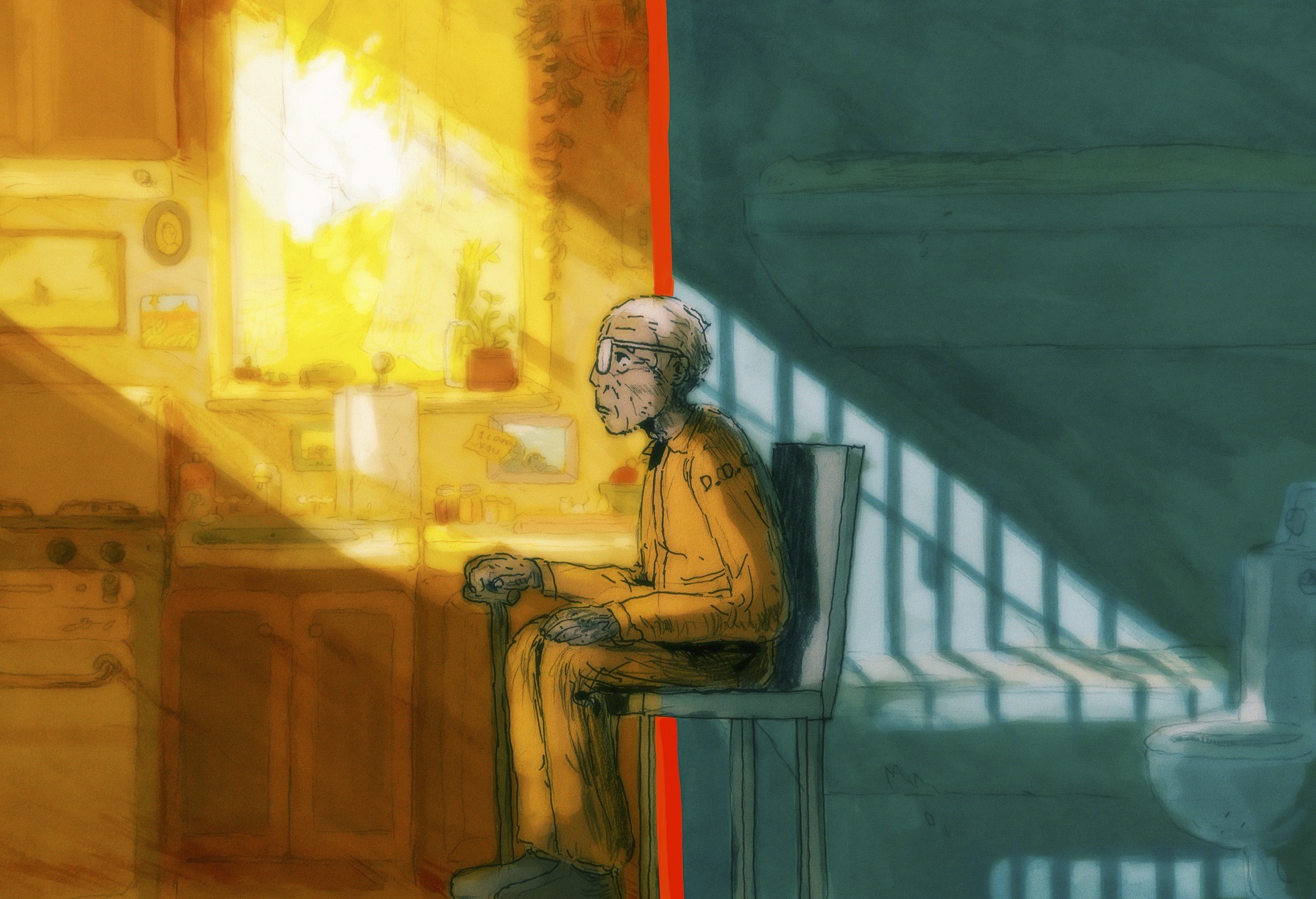
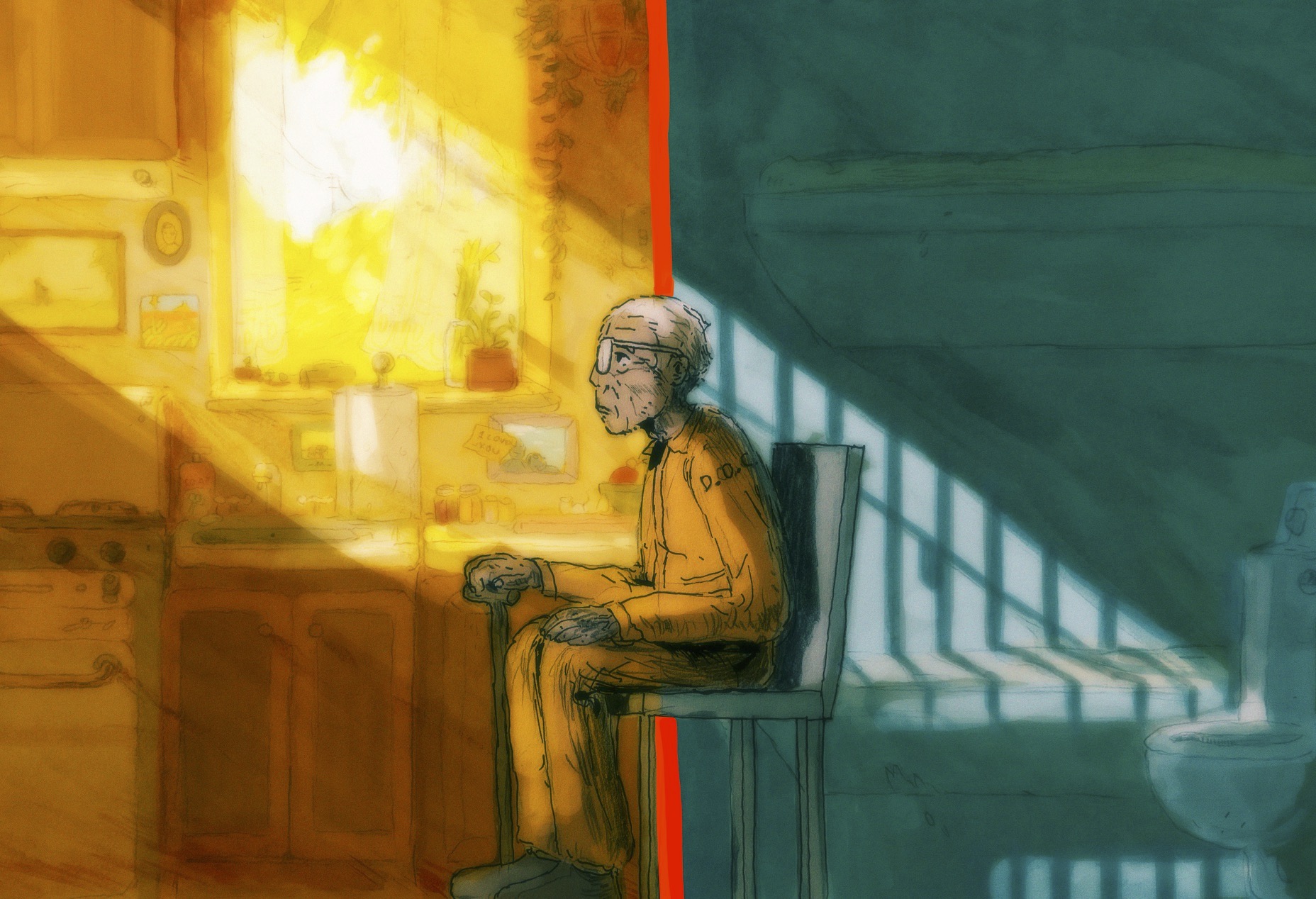
The impact of incarceration is profoundly consequential, regardless of the crime committed or the sentence served. A vicious combination of disconnection from family, loss of autonomy, lack of purpose, unpredictability, overcrowding, stays in solitary confinement, and trauma from witnessing violence or abuse creates long-lasting effects on mental and spiritual well-being.

Each year in prison shortens life expectancy by two years.

Mass incarceration has had such a profound effect on public health that it has led to an identifiable and statistically significant decline in the life expectancy of the country as a whole.

Incarceration destroys people physically, mentally, and spiritually, and that damage perpetuates cycles of poverty, illness, and violence that reverberate through our families and communities. And yet, there is little moral outrage or legal consequence for this human devastation.

Three Key Reasons for This Crisis

01

Invisibility

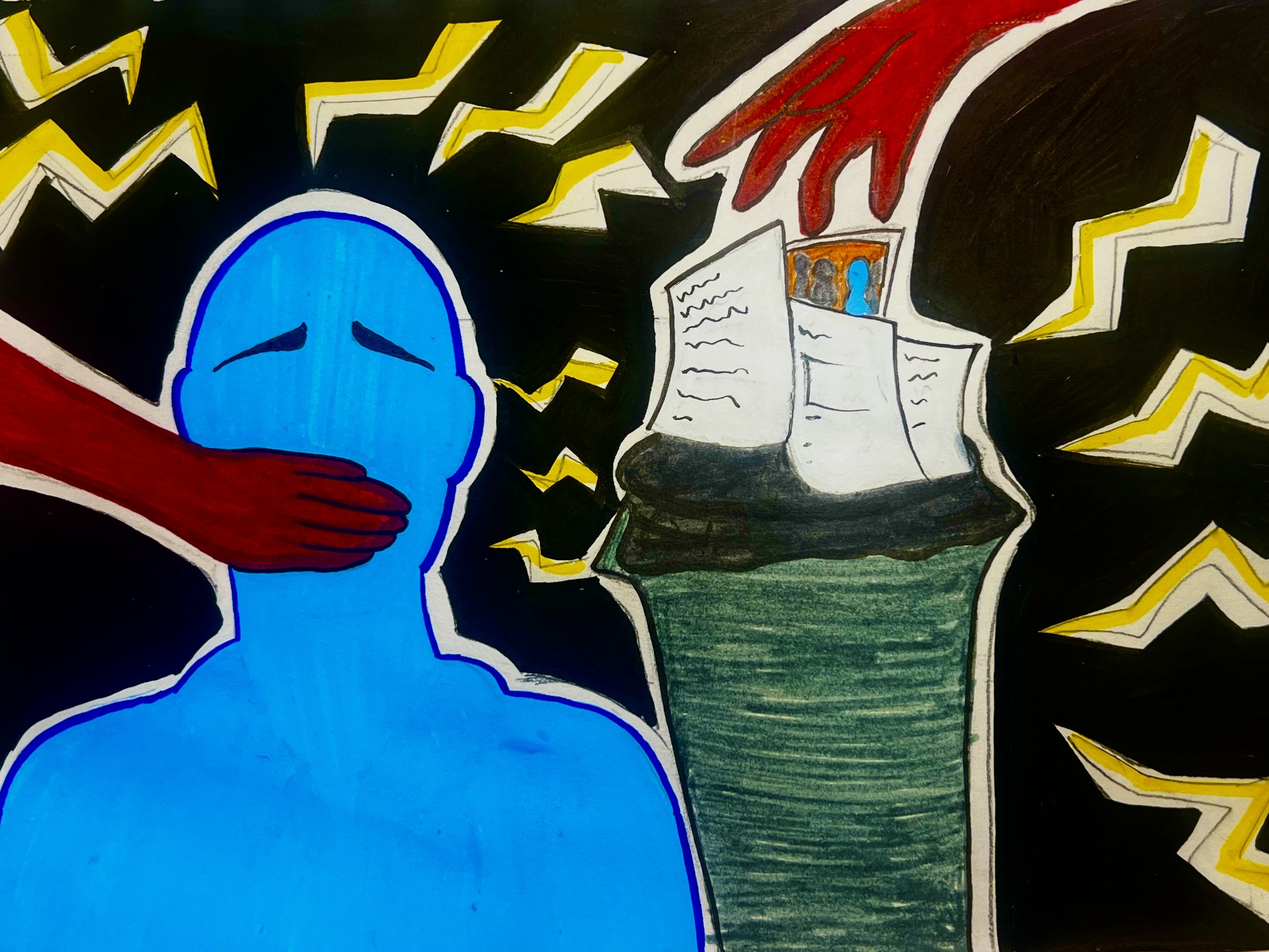
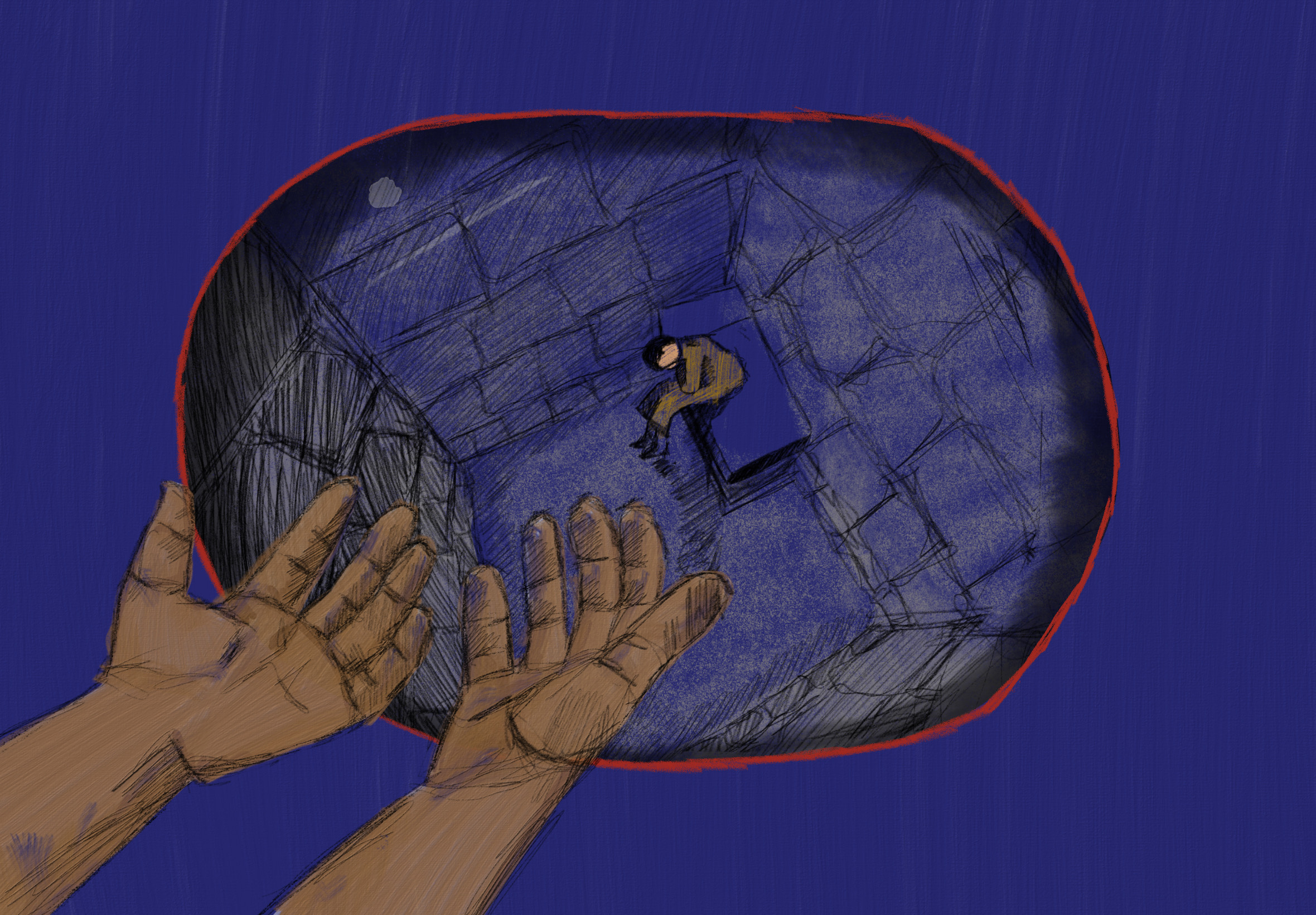
Prisons are black boxes, often hidden in remote, rural areas. The people with vested interests in maintaining and growing carceral institutions have complete control of the narrative about them. The information flowing in and out of prisons is almost entirely controlled by prison staff. All correspondence is monitored, and it is very difficult (if not impossible) to tour a prison. Very few records of prison condition violations exist. The result is that the reality of the suffering behind prison walls is greatly obscured.

02

Impunity

The policies and laws that do exist to protect prisoners' rights are loosely and erratically enforced. Prison administrators and staff have almost total impunity over the maintenance of their facilities, and state and federal departments of corrections, whose interests mostly align with prison staff, internally manage most oversight and accountability mechanisms. Especially since the passage of the Prison Litigation Reform Act in 1996, the pathways for meaningful legal accountability for prisoners' rights violations have almost entirely closed.

03

Dehumanization

There is a widespread belief that justice, accountability, and safety is achieved through torturous conditions. The American public has normalized the dehumanization of criminalized people and chosen to believe that prisons help more than they harm, despite strong evidence to the contrary. When criminalization intersects with other marginalized identities, as it so often does, like being poor, Black, foreign-born, disabled, addicted, or queer, this mindset deepens fissures in our social and political fabric that have profound consequences for us all.

It does not have to be this way.

Our communities will never be truly healthy or safe if that "safety" is predicated on the dehumanization of millions of people. It is up to us to protect our people and to demand a system of justice that is decent, fair, and healthy for us all.
THE SOLUTION

What We've Built

Our Journey

2020
First meeting at Columbia University (then The Student Justice League)
Recruited first training cohort (5 students)
David leaves halfway house, Anna graduates from Barnard
Second cohort recruited (12 students)
Incorporated as 501(c)(3) non-profit
2021
Local pilot at BOP Brooklyn Halfway House and MDC Brooklyn
Helped first member, Adolphus Nwokedi, get free
Third cohort recruited (23 students)
First major investment: $75,000
2022
Reached 240 incarcerated members
Rented first office space
Joined Urban Justice Center accelerator
Raised $115,000
2023
David & Anna become full-time employees
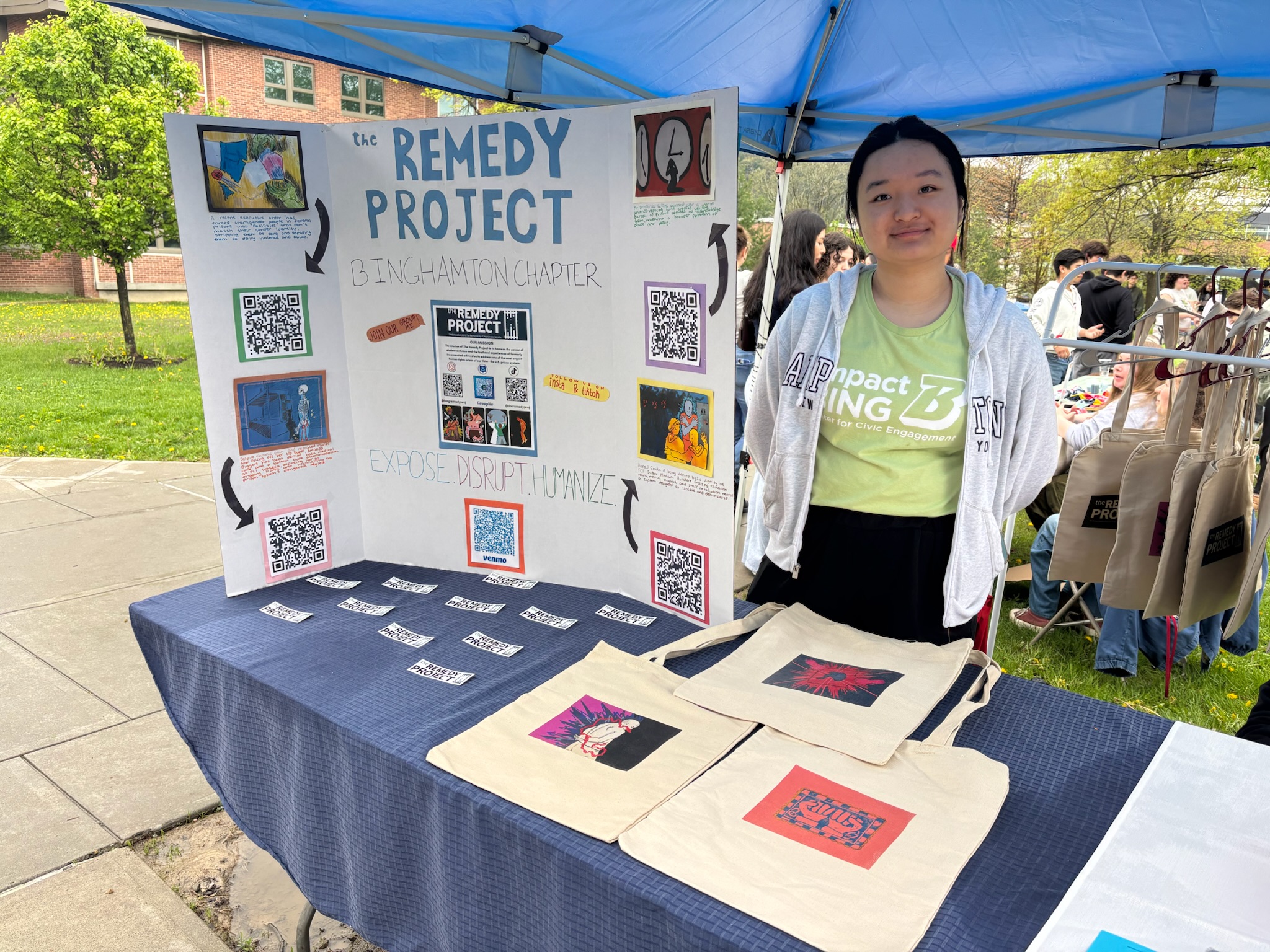
First 3 chapters launch: Columbia, Binghamton, Cherry Creek
Raised $150,000
2024
4 new chapters: NYU, Midwestern, UCLA, Urbana
First annual fundraising event
Raised $300,000
2025
Hired Colin Adams as third employee
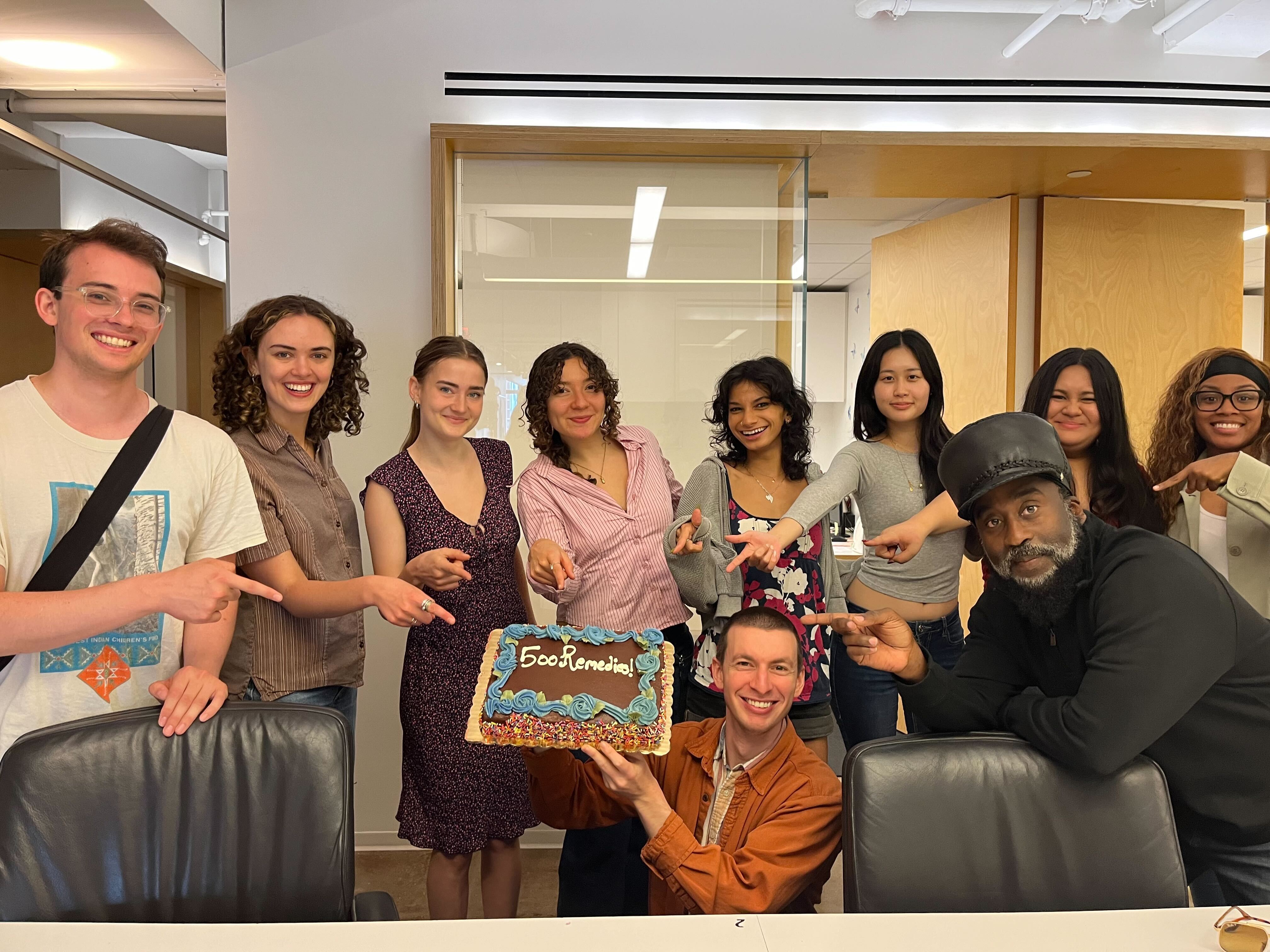
Surpassed 500 administrative remedies
4 new chapters: Amherst, Harvard, Brown, Georgetown

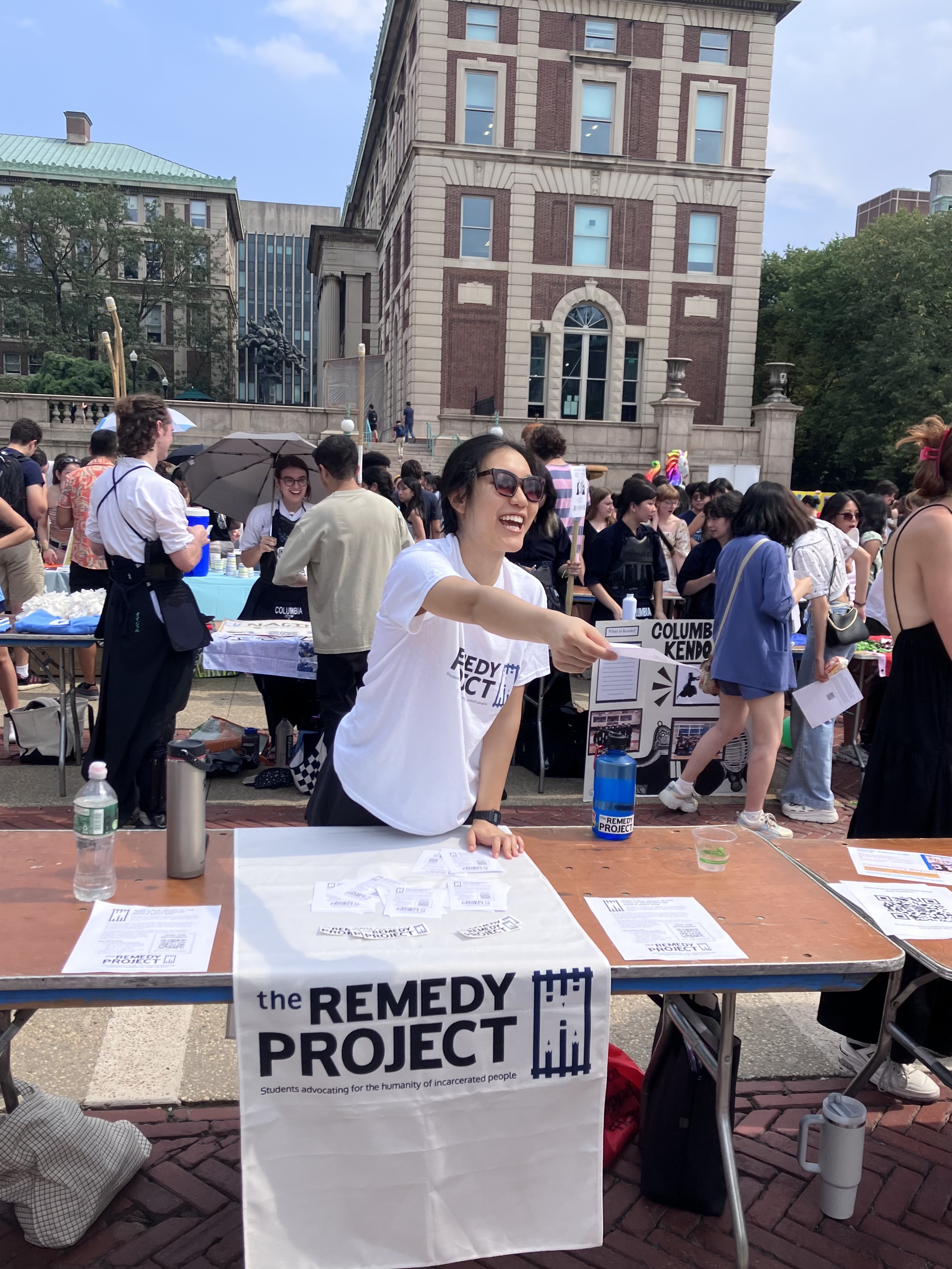
The Remedy Project is a grassroots movement organization led by students and those impacted by incarceration, dedicated to upholding and advancing the civil and human rights of incarcerated people.

We have a simple vision: every human being, no matter what crime they may or may not have committed, deserves basic humanity, dignity, and respect, for the sake of their families, our communities, and our world. Through direct advocacy for incarcerated people using the administrative remedy process, we disrupt abuse in real time while building the public will and people power to take on the human rights crisis that is the United States prison system.

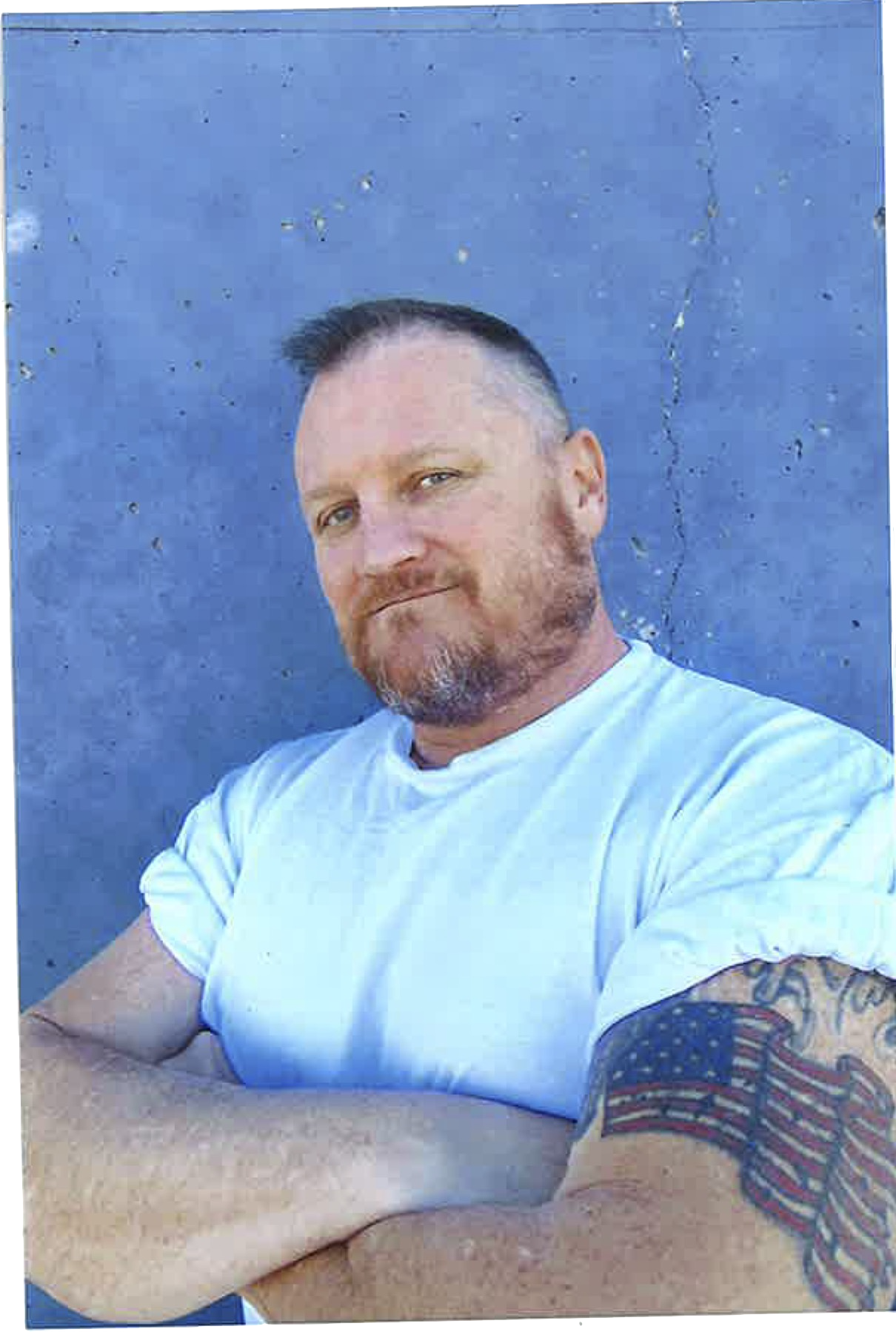
The Remedy Project was founded by jailhouse lawyer David Z. Simpson and student organizer Anna Sugrue in 2020. They identified a gap in the prison movement landscape: there was no broad-based support nor movement infrastructure to fight for prisoners' rights. Over the last five years, Anna and David have brought together hundreds of students and justice-system-impacted advocates to fill this crucial gap while maximizing capacity and minimizing overhead.

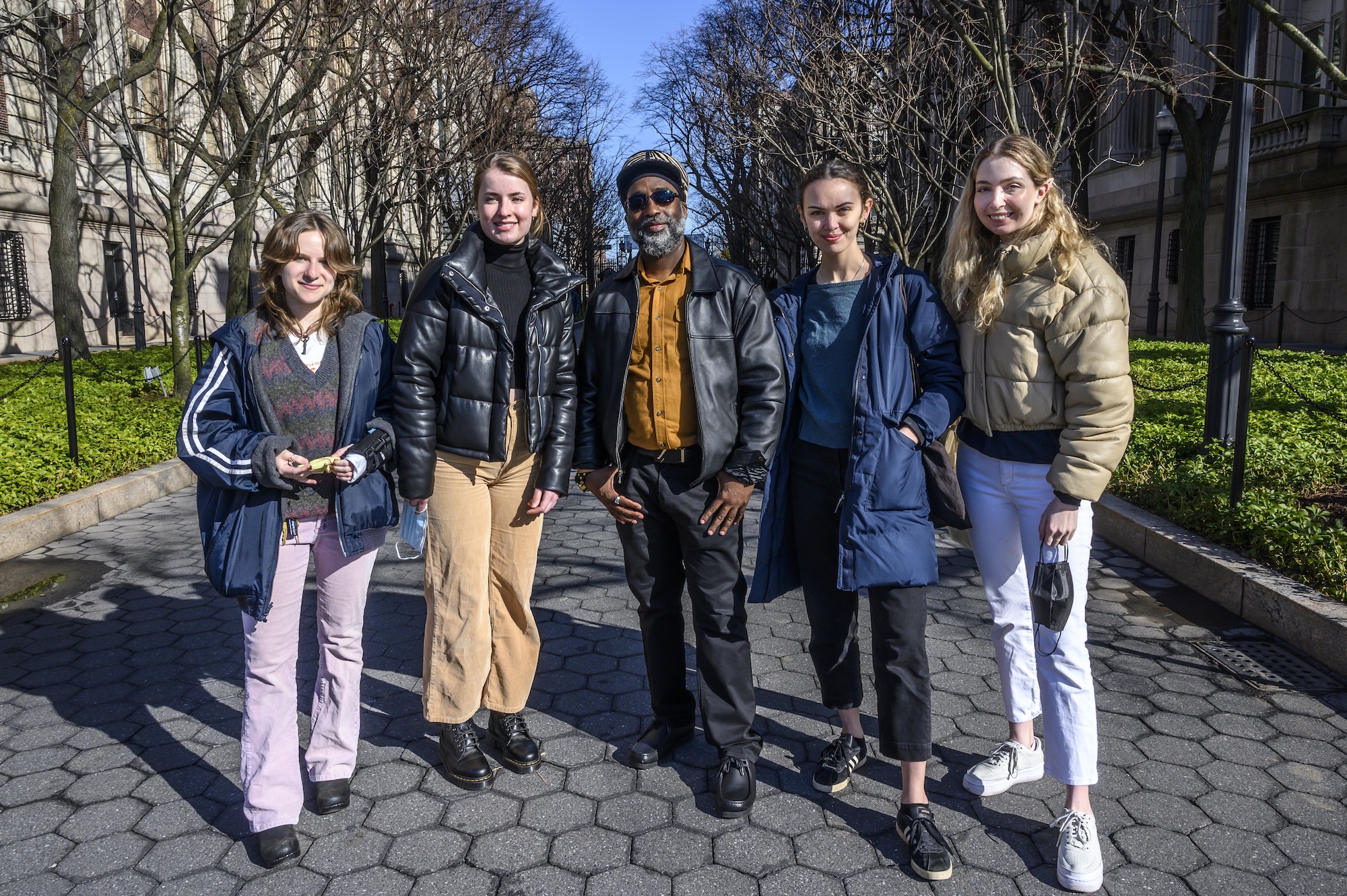
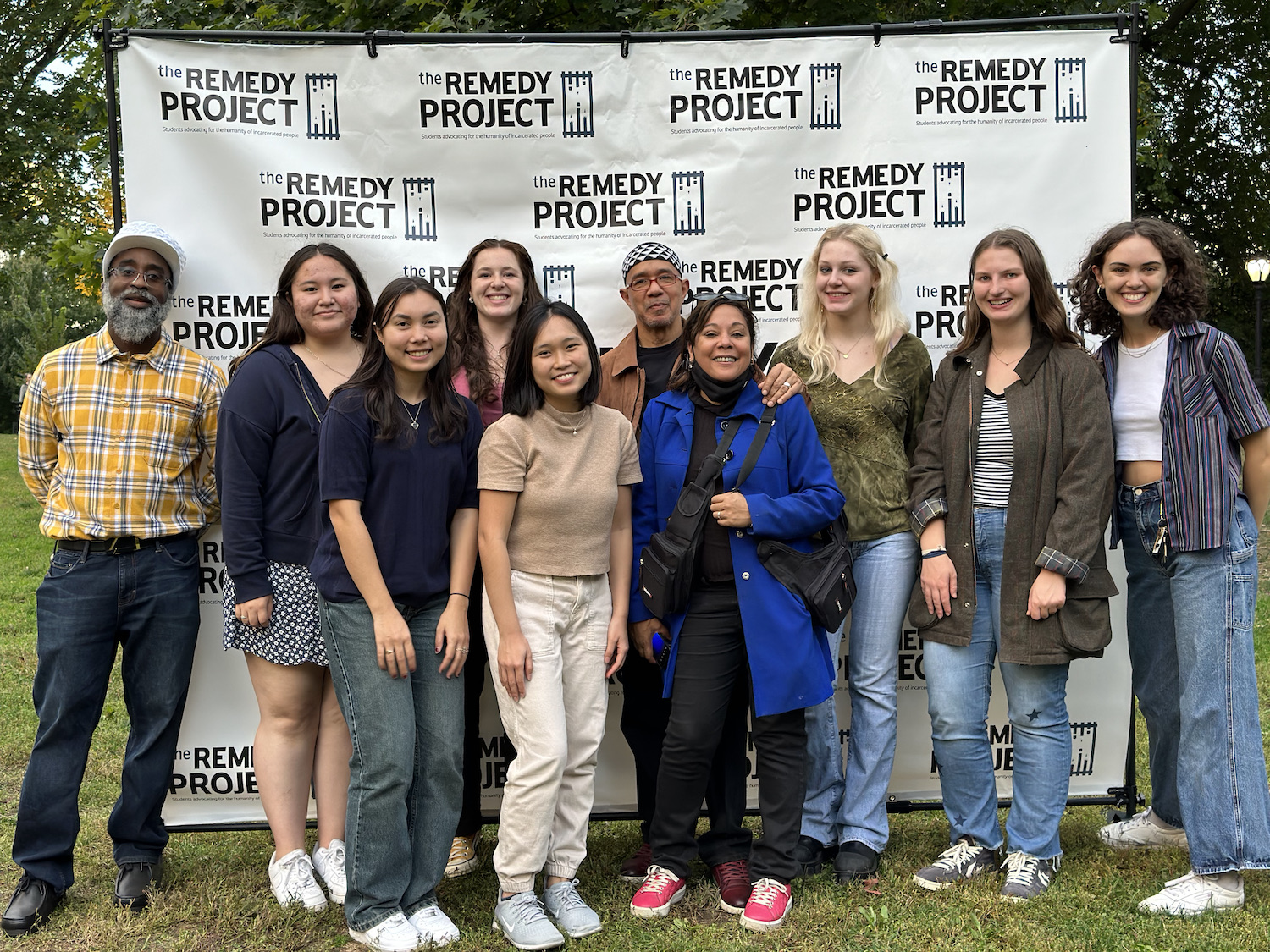
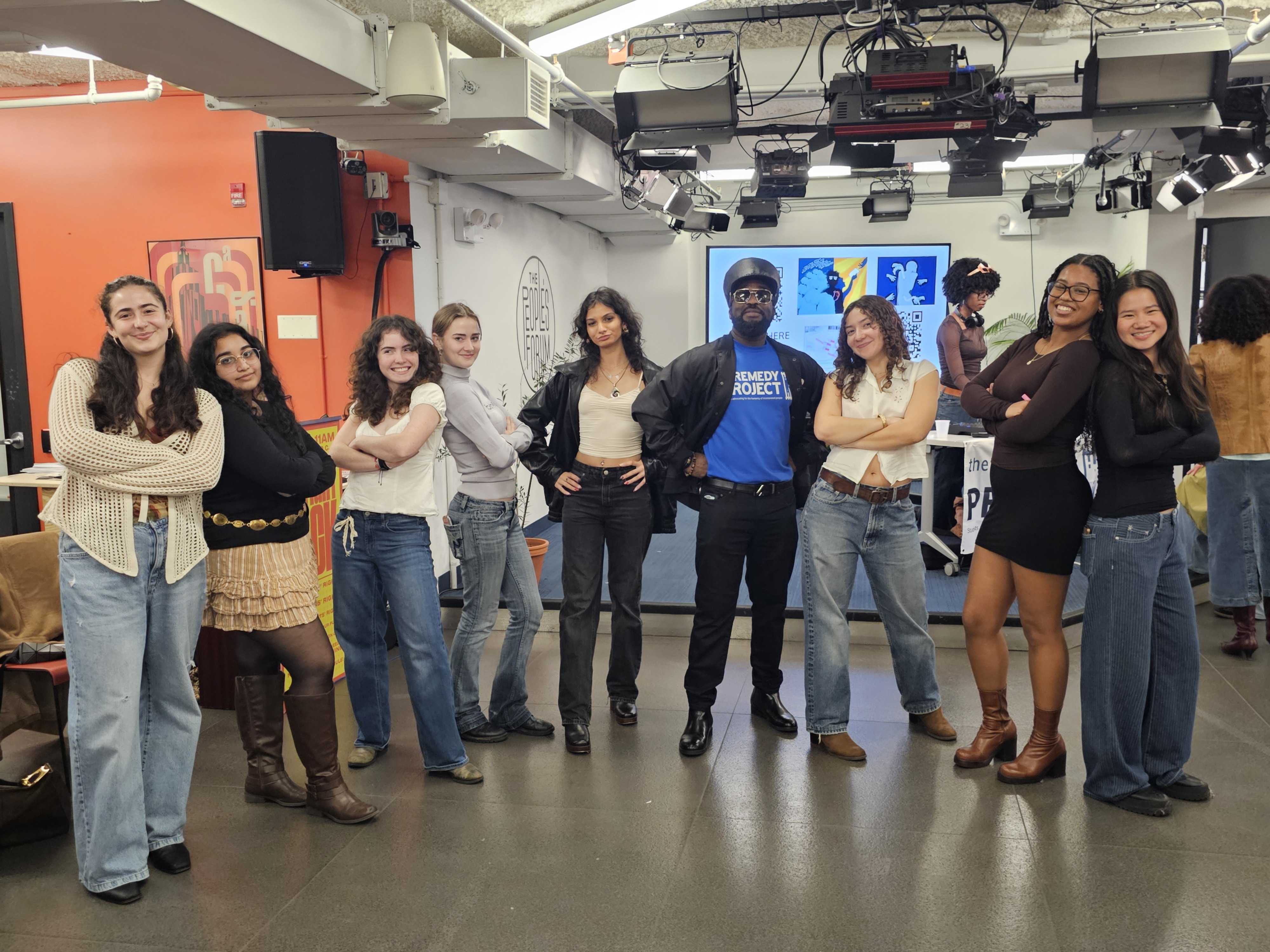
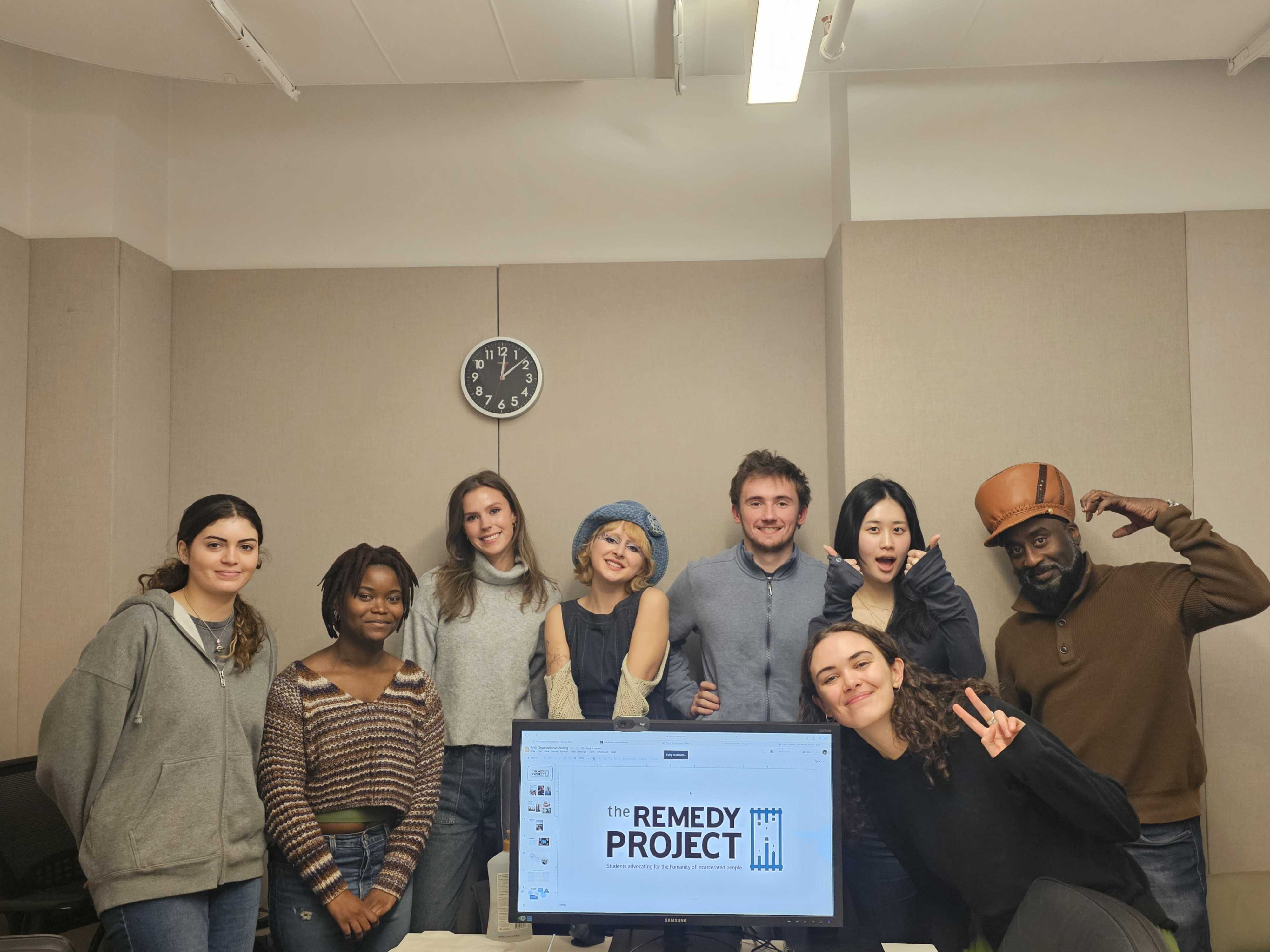
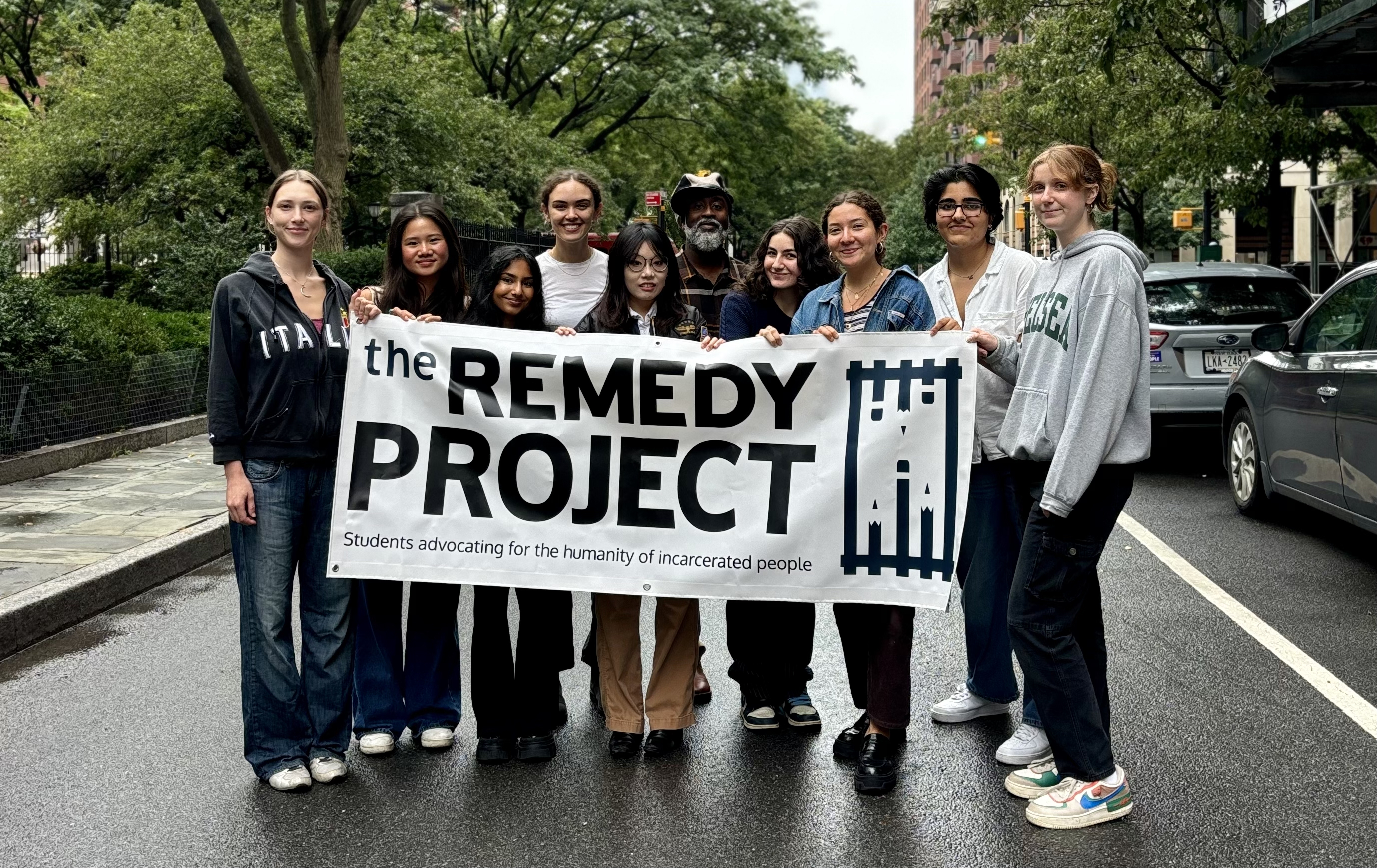
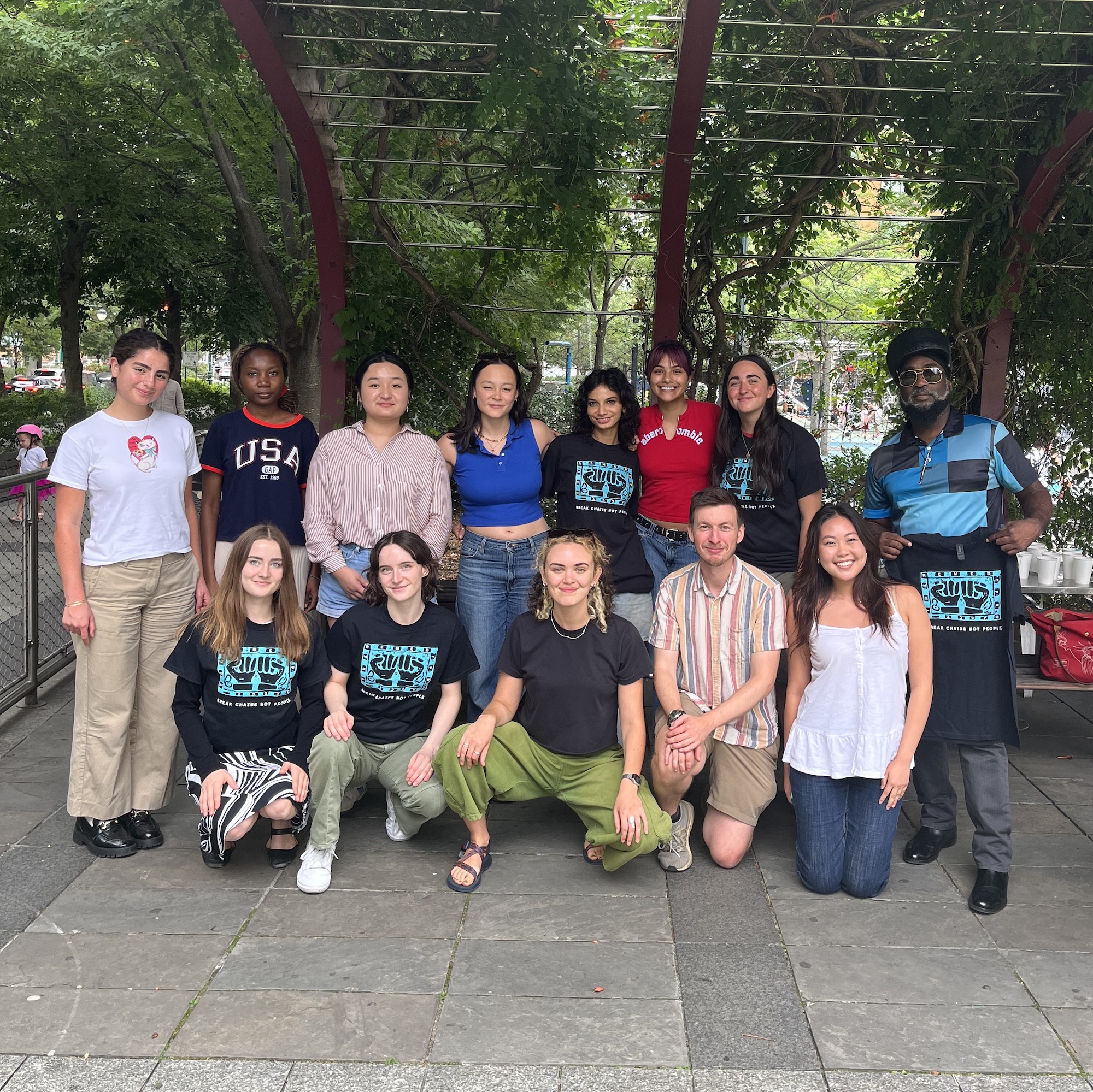
The Remedy Project Team 2025

The Remedy Project uses a three-pronged approach, crises of Invisibility, Impunity, and Dehumanization.

These strategies are: (1) Disrupt through administrative remedy advocacy, (2) Expose through public advocacy, and (3) Build Power through student organizing. In the following sections, you will learn about each of these three strategies in detail, along with the impact we have made over the last five years.

STRATEGY 1: DISRUPT

Administrative Remedy Advocacy

Administrative Remedy Advocacy is the foundation of The Remedy Project's work. We use the administrative remedy process to stop abuse in prisons in real time while building the paper trail necessary for Transparency, Accountability, and Narrative Change.

In five years, we have done what no other organization has attempted: built a grassroots prisoners' rights organization filing administrative remedies for free for incarcerated people nationwide. We are the only organized first responders in the country for prisoner abuse.

What is the administrative remedy process?

The administrative remedy process is the only official avenue available to incarcerated people to raise an issue and seek relief for their conditions. In Federal Prison, where The Remedy Project operates, the process begins with an informal complaint submitted to the unit. It ends with "exhaustion"– an appeal to the Bureau of Prisons' Central Office in Washington, DC, and the option to bring the issue to federal court.

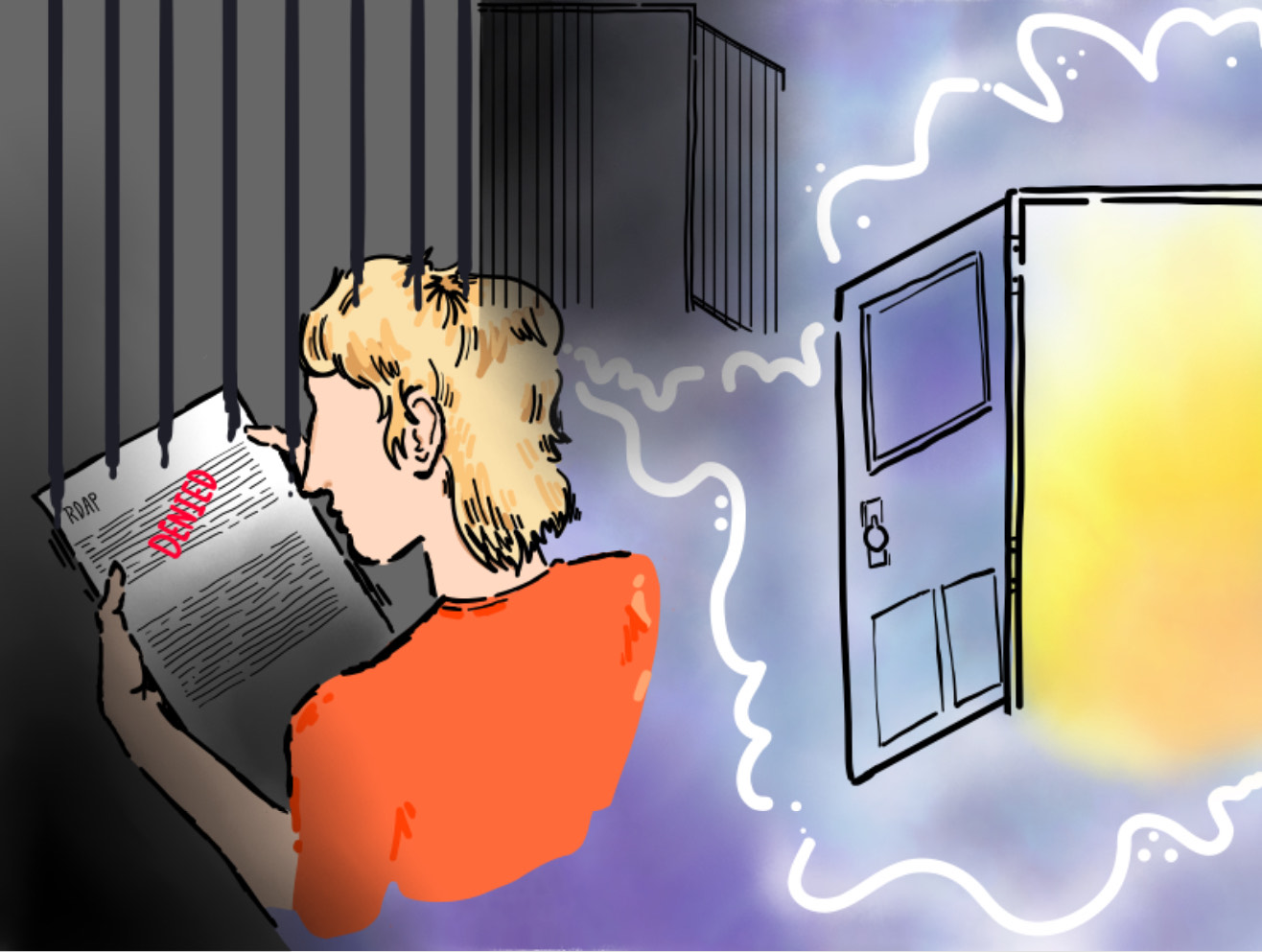
It is intended to be navigated by the incarcerated person alone, and it is managed entirely by the staff and administrators who are frequently the subject of the complaints. The result is a largely unknown process that is chronically misunderstood, underused, and marred by prison administrations' willful mismanagement, manipulation, hindrance, and retaliation.

David Simpson, The Remedy Project's founder, studied the administrative remedy process for over ten years in federal prison and developed a strategy that took advantage of prison staff's fears to get people the care, dignity, and justice they demanded. He found that a properly filed administrative remedy could quickly move previously indifferent staff, shake up the prison hierarchy, trigger investigations, and build a record that later supports habeas petitions, civil suits, or congressional inquiries.

How do we use it?

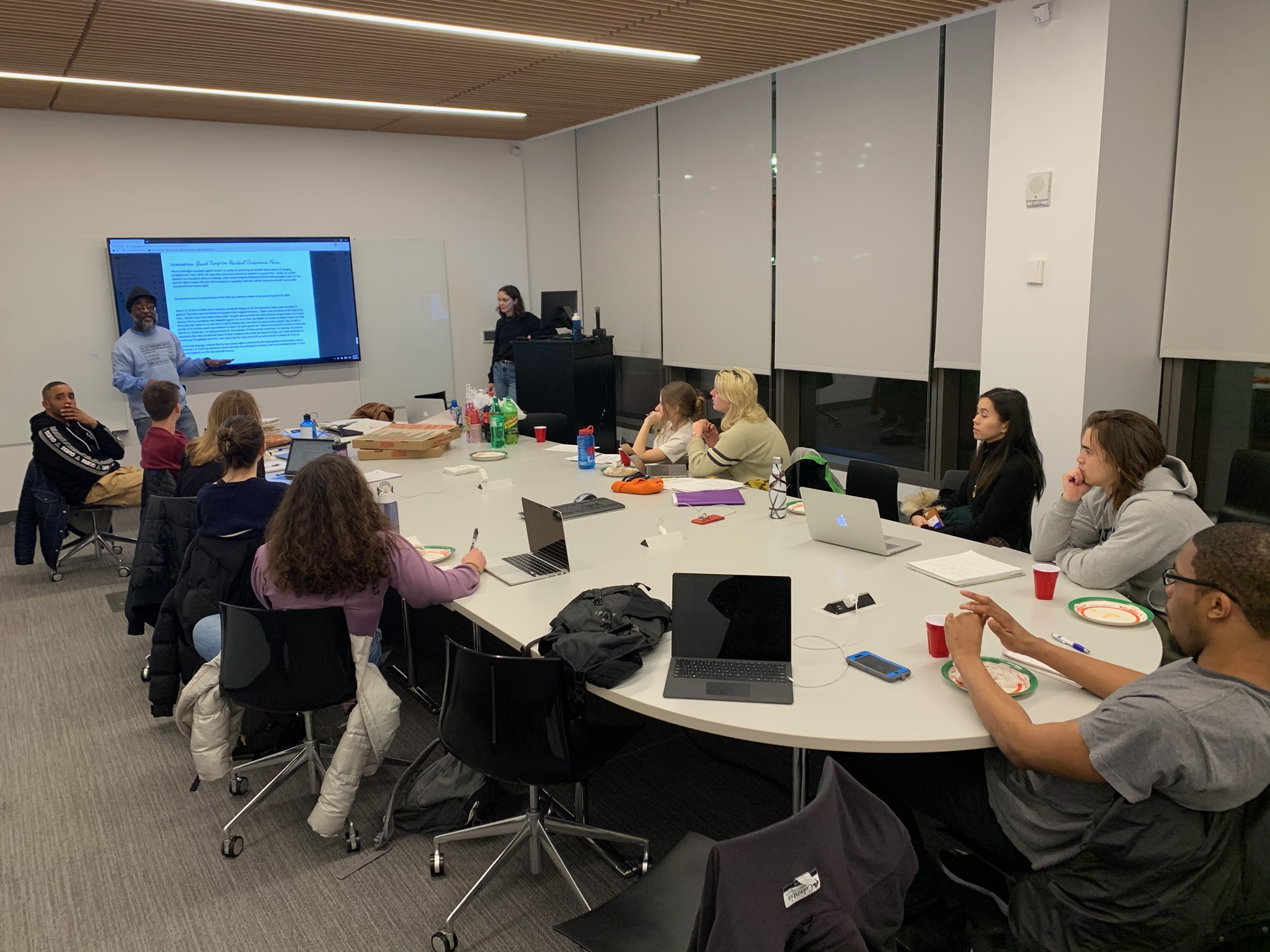
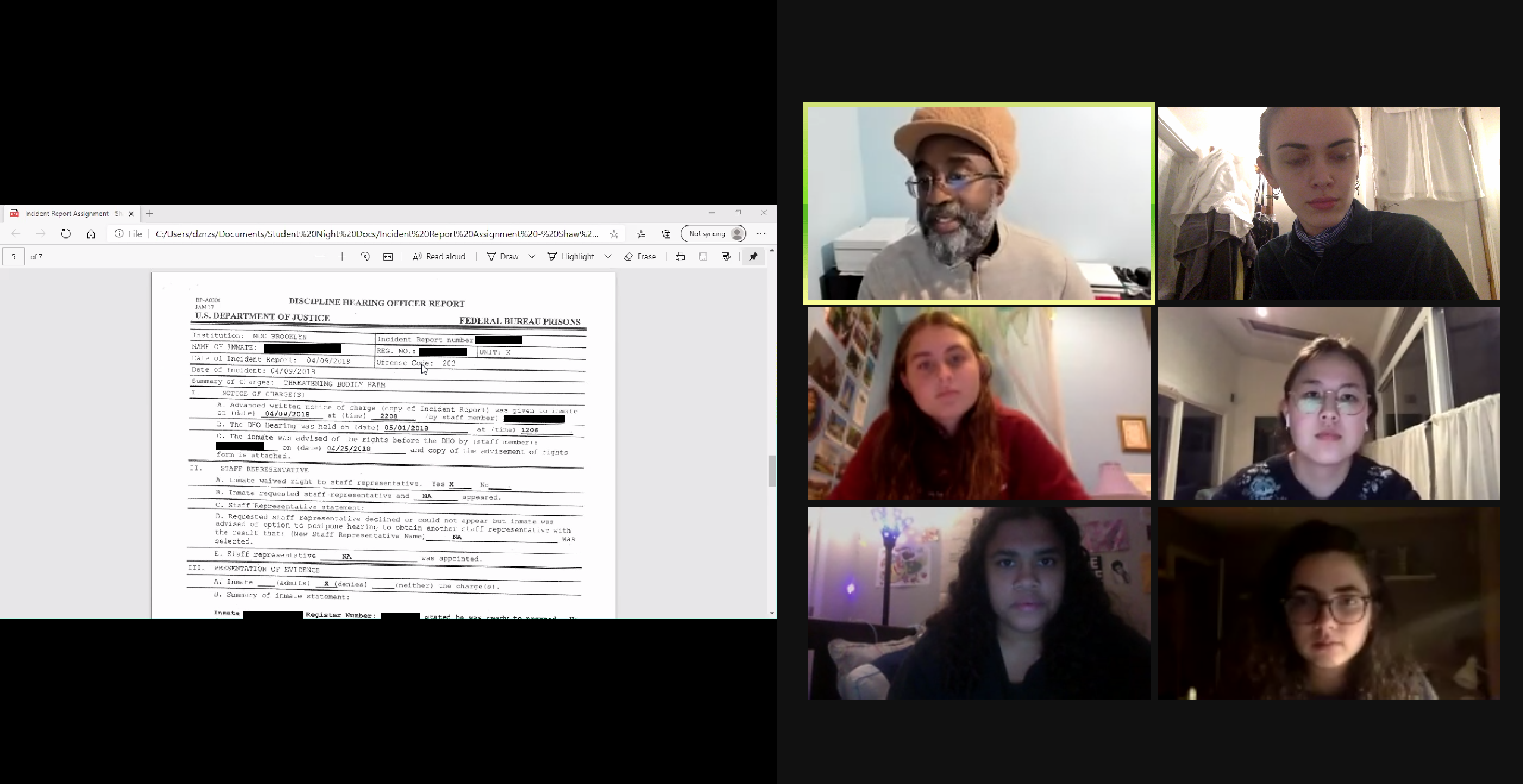
Today at The Remedy Project, David and other formerly incarcerated advocates (whom we call "mentors") draw from their lived experience to train students and general volunteers to do the same. Since 2020, our team has helped individuals in federal prison navigate every stage of the administrative remedy process: corresponding with incarcerated individuals and their families, drafting complaints, analyzing responses, identifying policy violations, appealing denials, and escalating cases to oversight bodies when the system refuses to act.

We have created a one-of-a-kind grassroots advocacy program, where any volunteer can learn to fight and win relief for incarcerated people without a legal education, years in court, or thousands of dollars in fees.

Key accomplishments

Built a custom and free case management infrastructure for tracking our incarcerated members and their complaints and revealing patterns of abuse across federal prisons.

Stored documents virtually and physically for our incarcerated members so their records cannot be obfuscated or destroyed.

Recruited a group of medical students to add medical analyses to strengthen our medical cases.

Started a network of civil rights lawyers for referring cases for legal action.

Strategy 1: Impact

1,320
People corresponded with over 5 years
103
Of 126 federal prisons reached through word of mouth
665
Administrative remedies submitted
200+
Enrolled in online remedy training
19
Formerly incarcerated mentors
80+
Remedies escalated to regional offices
150
Letters to sentencing judges
1,148
Complaints recorded

Categories of Administrative Remedy Cases (2025)

Success Stories

FREED

Christopher Trenchfield

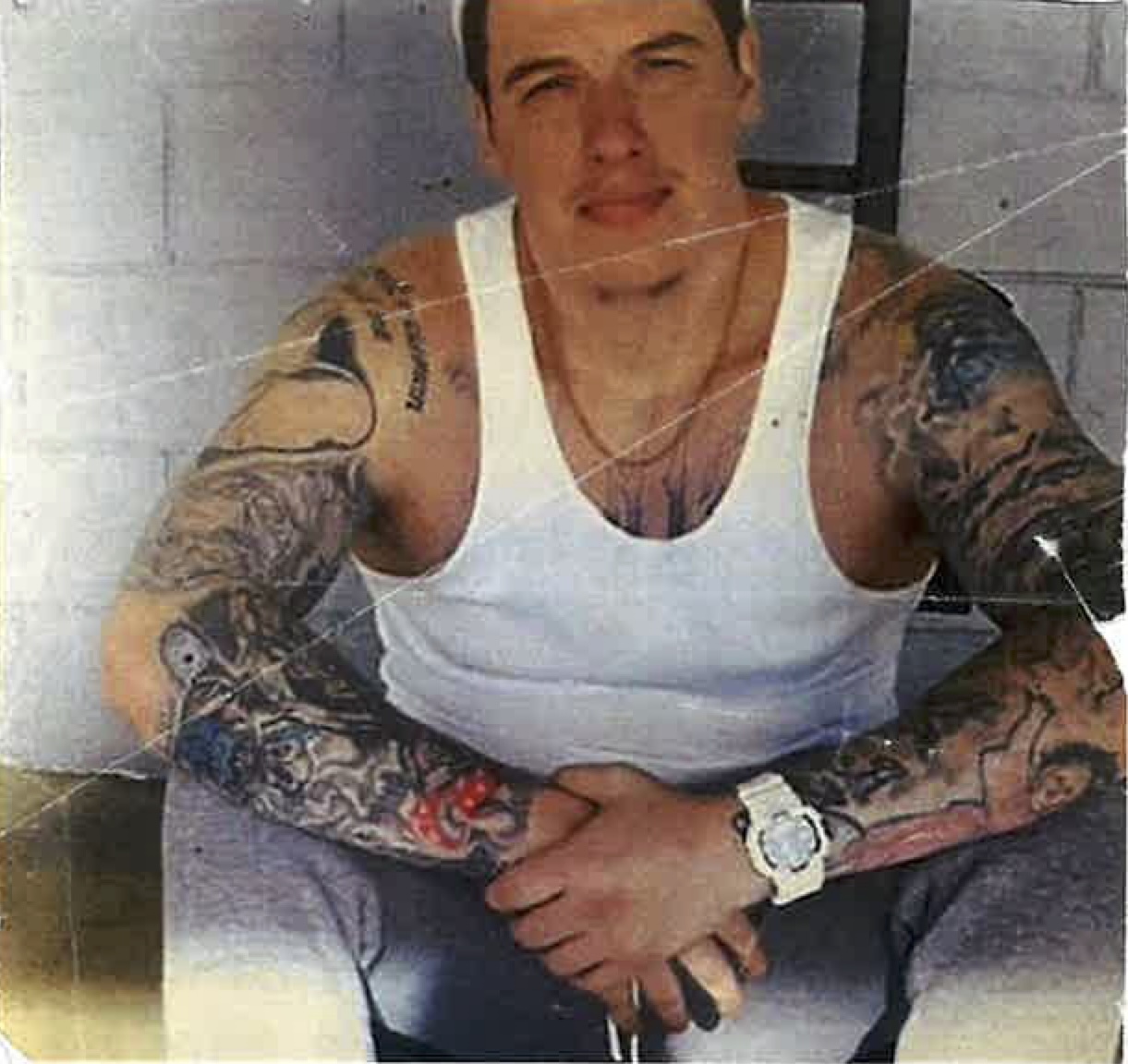
Christopher Trenchfield reached out to The Remedy Project in January of 2025 with a report that he had been assaulted by a guard at FMC Butner, a Federal Medical Center in Butner, North Carolina. Through our correspondence with Mr. Trenchfield, we learned his problems went much deeper than one guard's brutality. He told us he was in FMC Butner on a medical hold for severe mental illness, and he was facing possible involuntary civil commitment by the Federal Prison system. However, he had never been diagnosed with any mental illness before his incarceration, and he had no symptoms except situational anxiety. We uncovered that he had been arrested during a verbal dispute with his neighbor, and had never officially been convicted of a crime. Prosecutors had dropped his original charges months prior. But the Bureau of Prisons did not want to let him go. In their effort to keep an innocent man behind bars, a BOP psychiatrist diagnosed Mr. Trenchfield with "criminal insanity" and attempted to have him civilly committed. Through a series of administrative remedies and advocacy letters, The Remedy Project uncovered this web of lies. As a result Christopher Trenchfield was released from prison six weeks later.

FREED

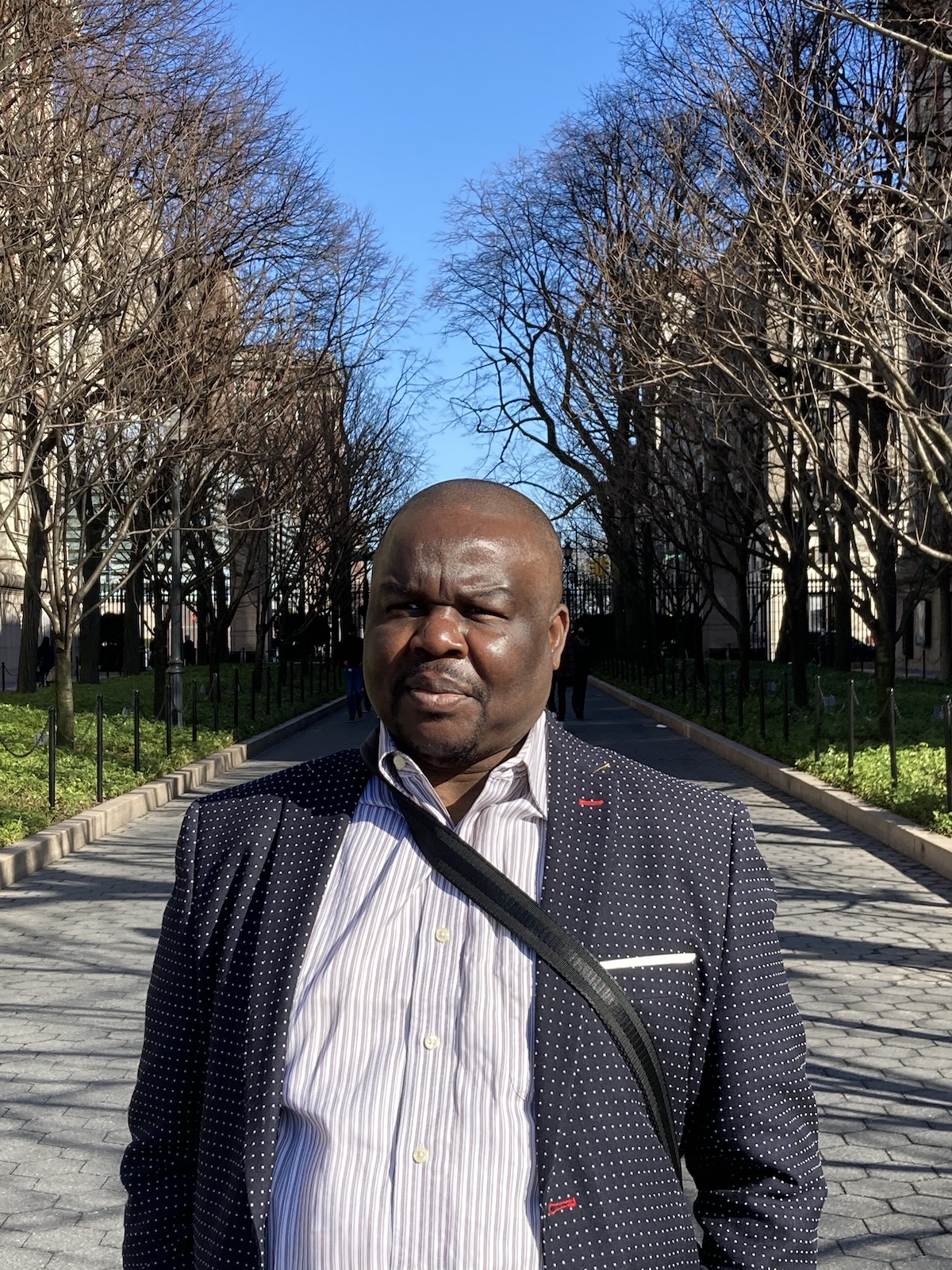
Adolphus Nwokedi

Mr. Nwokedi received The Remedy Project's first administrative remedy in November of 2020. Mr. Nwokedi reached out to us because he was supposed to be released from prison, but the Bureau of Prisons would not let him go. He had a detainer placed on him at the beginning of 2020, which restricted him only to the maximum security prison at which he resided. He had filed a motion in New Jersey to remove his detainer, which the state granted. Without the detainer, Mr. Nwokedi was qualified for home confinement or a halfway house. However, a staff member told Mr. Nwokedi that this would not happen until at least a month later. After Mr. Nwokedi wrote to The Remedy Project, we were able to get him released from prison early.

"You guys really did a very good job by helping me out. You didn't help only me. I have two daughters, and I have two beautiful daughters and my beautiful wife, you helped my wife and you helped my two daughters and you helped me and you helped my family in Nigeria."
Adolphus Nwokedi
LIFE-SAVING CARE

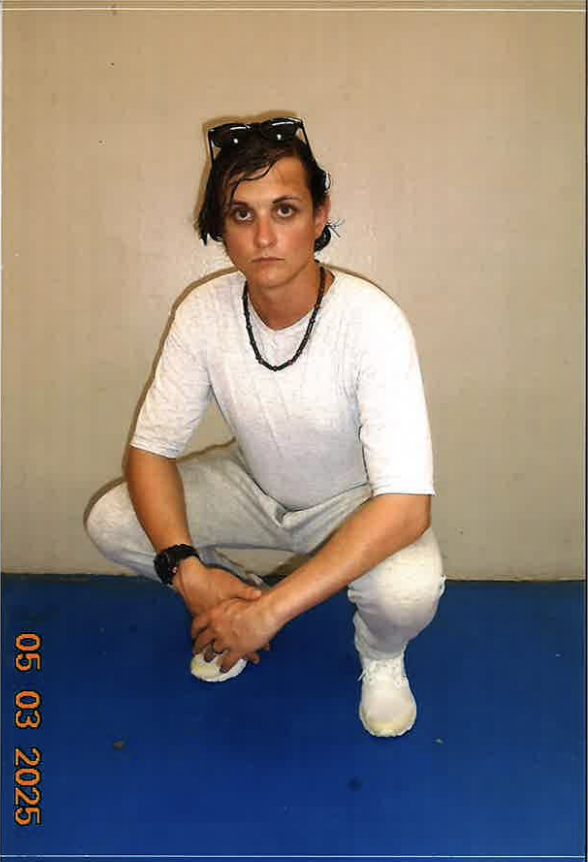
Alyssa Gillette

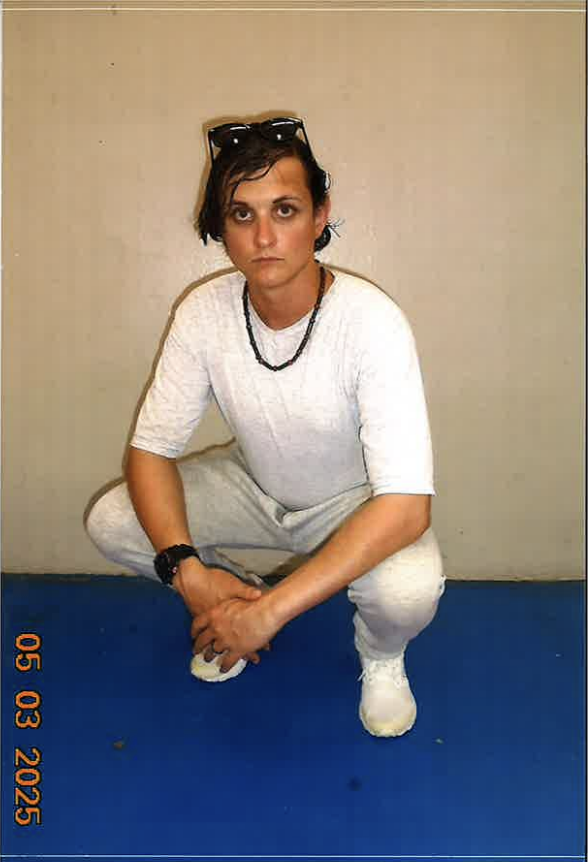
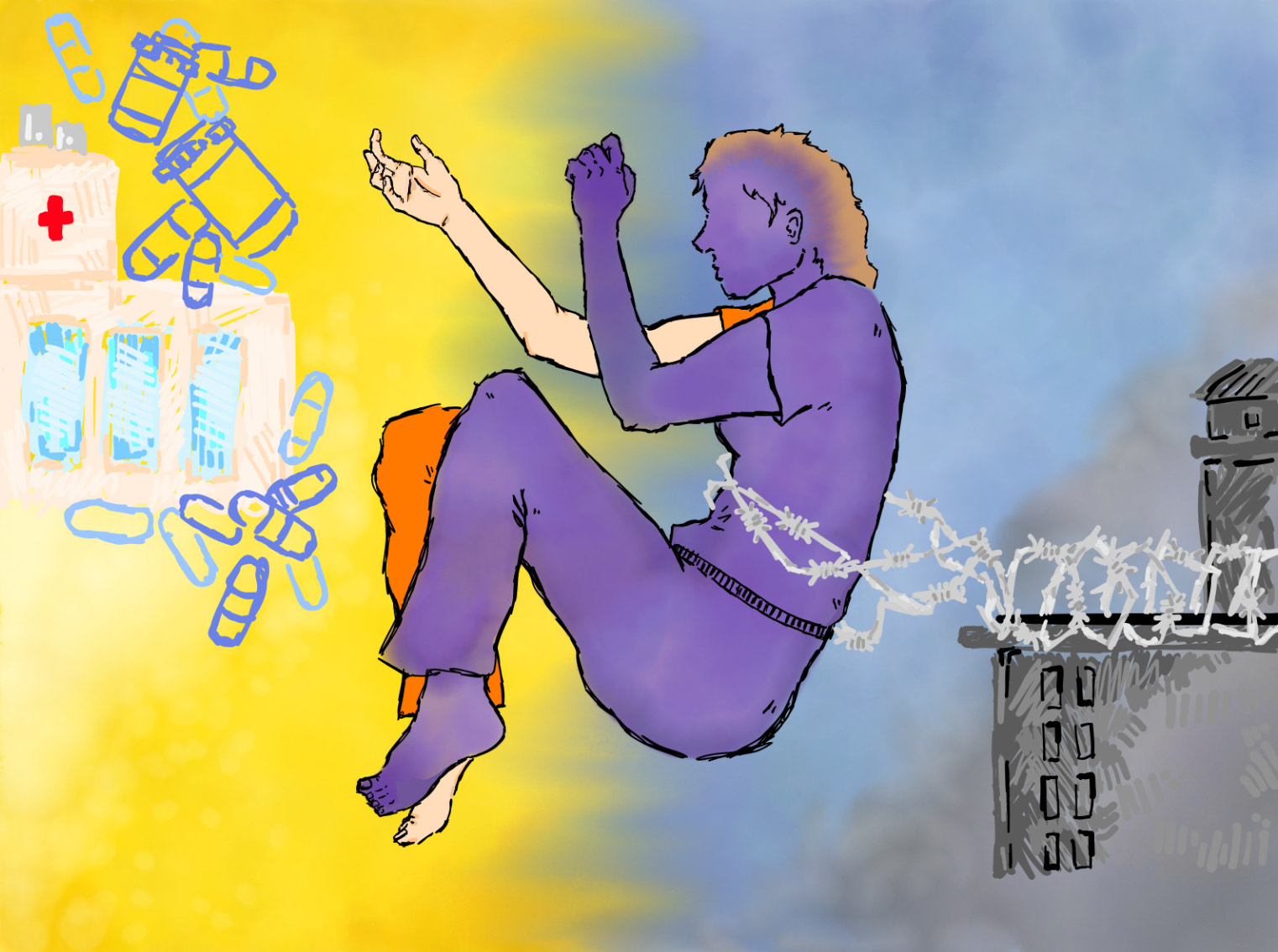
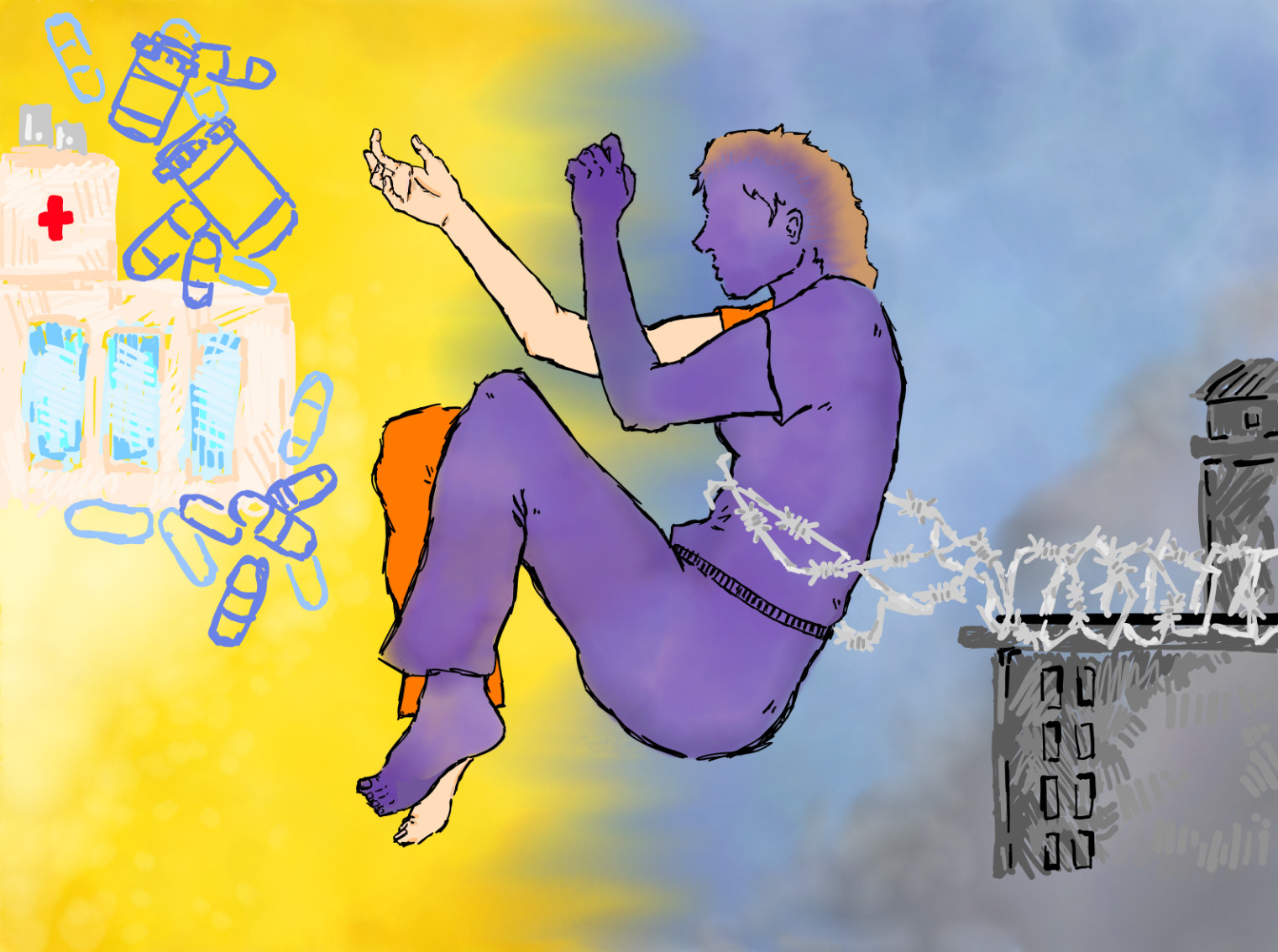
Alyssa Gillette is a transgender woman incarcerated in an all-male federal prison, FCI Butner Medium I. She reached out to us in March of 2025 for assistance with a medical situation - for over a year, she had been receiving a half-treatment for her gender dysphoria, a condition she had been diagnosed with before her incarceration. She was receiving a medication suppressing testosterone without receiving any hormone replacement, which is dangerously inconsistent with the international standard of care for gender dysmorphia, and resulted in severe anxiety, depression, suicidal ideation, and strong urges to self harm. Shortly after The Remedy Project began assisting Ms. Gillette with her administrative remedies, she was prescribed replacement estrogen - despite a Federal executive order instructing Bureau of Prison officials to cease gender affirming care altogether. She credits the administrative remedy we wrote and frequent calls with Remedy Project advocates as the reason for her life-saving prescription.

Alyssa Gillette
LIFE-SAVING CARE

James Garlick-El

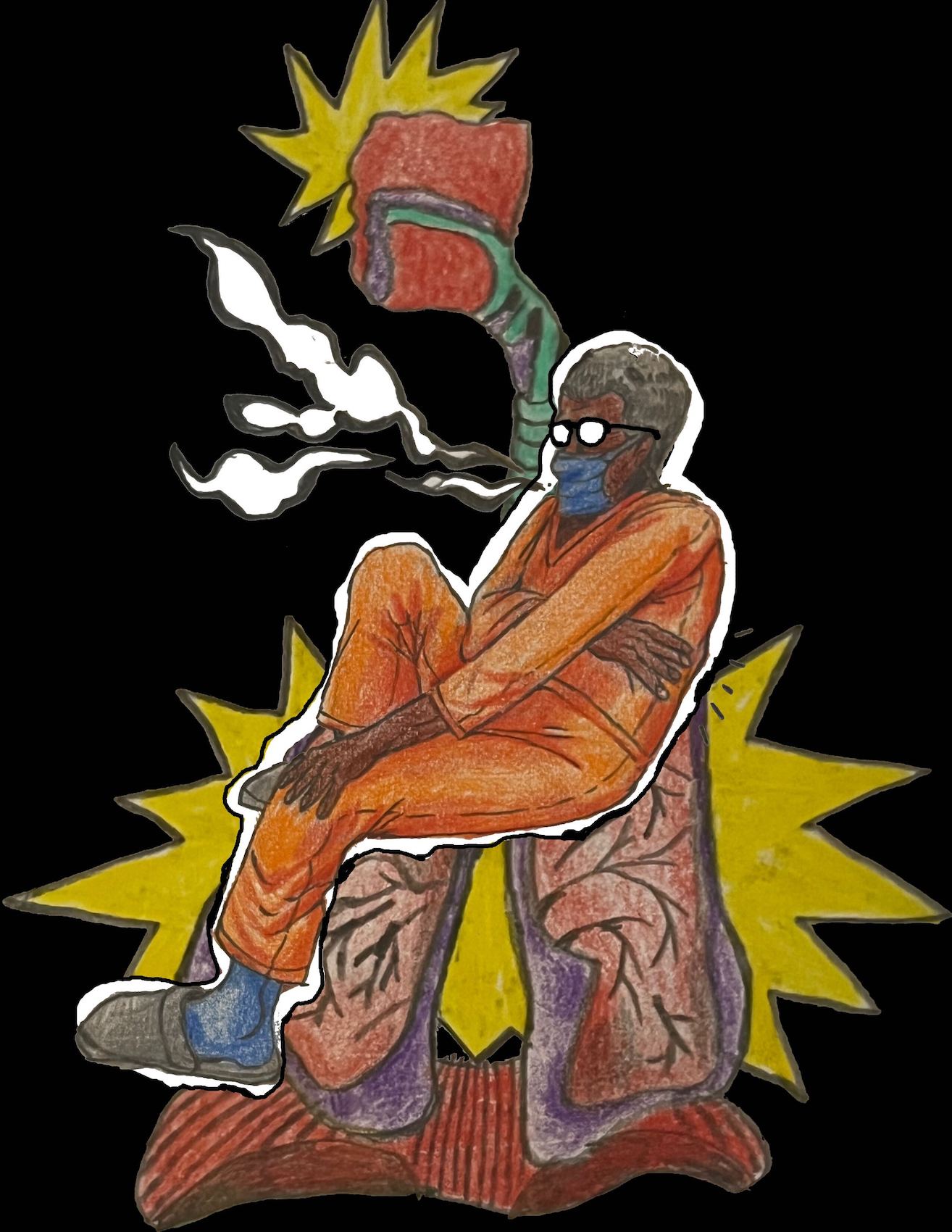
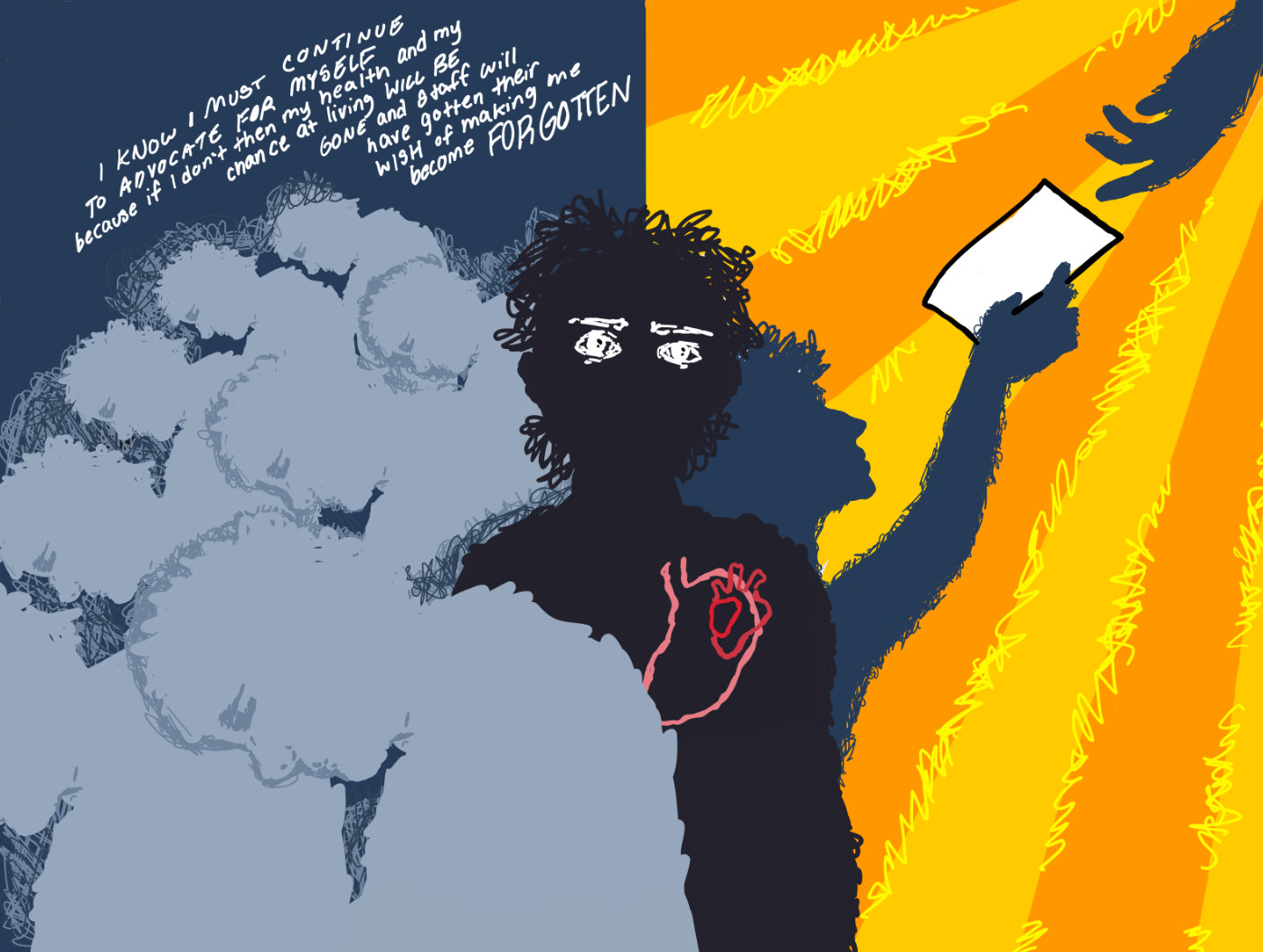
James Garlick-El wrote to us after months of fighting to get an inhaler to treat his asthma. He wrote “I know I must continue to advocate for myself and my health - because if I don’t then my health and chance at living will be gone - and staff will have gotten their wish of making me become forgotten.” After we submitted an administrative remedy written by Lucy from Binghamton, Mr. Garlick received the inhaler that he was unable to get alone."

"I have received your remedy I am truly amazed. I thought I was good, but you guys just blew me away with this... thank you. You have no idea how valuable you guys are to not have to live in fear. Truly truly thank you."
James Garlick-El
DIGNITY RESTORED

Jordan Walker

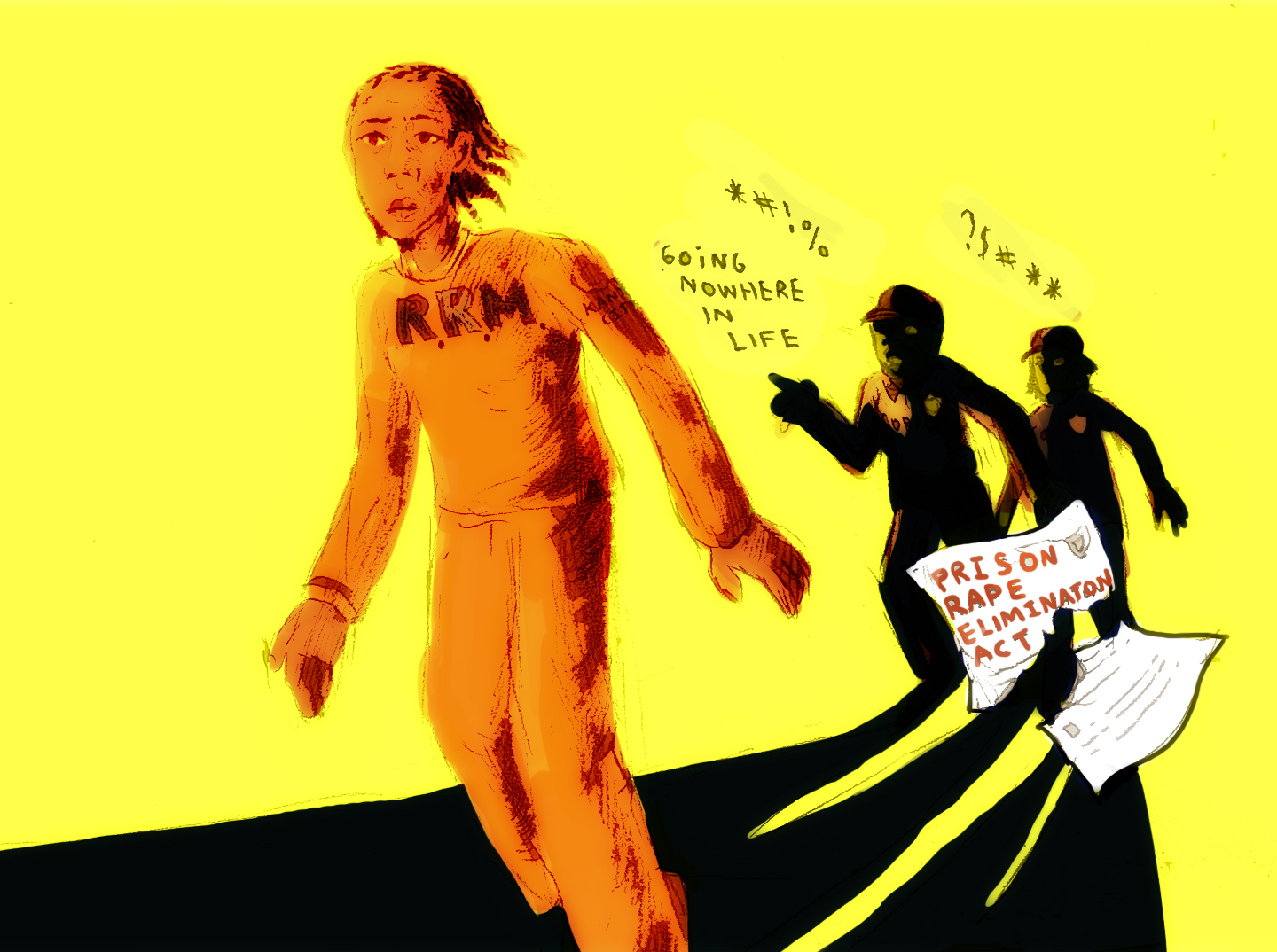
Jordan Walker was sent to Federal Prison in 2021 for a financial crime she committed to support an opioid addiction. She hoped her 65 month sentence would give her a chance to finally get clean, and The Bureau of Prisons promised her treatment for her diagnosed Opiate Use Disorder. Instead, she found that drugs were much easier to come by at FCI Waseca, a federal women's prison in Minnesota, than drug treatment. She spent years on the waitlist for a drug treatment program, MAT. She tried to manage her own sobriety, but she found it nearly impossible. In the fall of 2024, overwhelmed by stress, in and out of relapses, and hopeless for her future, Ms. Walker attempted suicide. After her suicide attempt, rather than receiving support, Ms. Walker got a disciplinary ticket for "self-mutilation" and faced even harsher conditions, limited privileges, and potentially even time in solitary confinement. Our Remedy Writer Cecilia Zuniga appealed this disciplinary action, and won Ms. Walker back her dignity.

"Central expunged my shot. This wouldn't have been posisble with out y'all's help. The system in the BOP is geared to shove mental health and suicide attempts under the rug. Thank you for helping me get through the red tape. The work you are doing really does make a difference."
Jordan Walker Letter
STRATEGY 2: EXPOSE

Public Advocacy

Public Advocacy builds on our administrative remedy advocacy to ensure our members' needs are met while also influencing public will for systemic change.

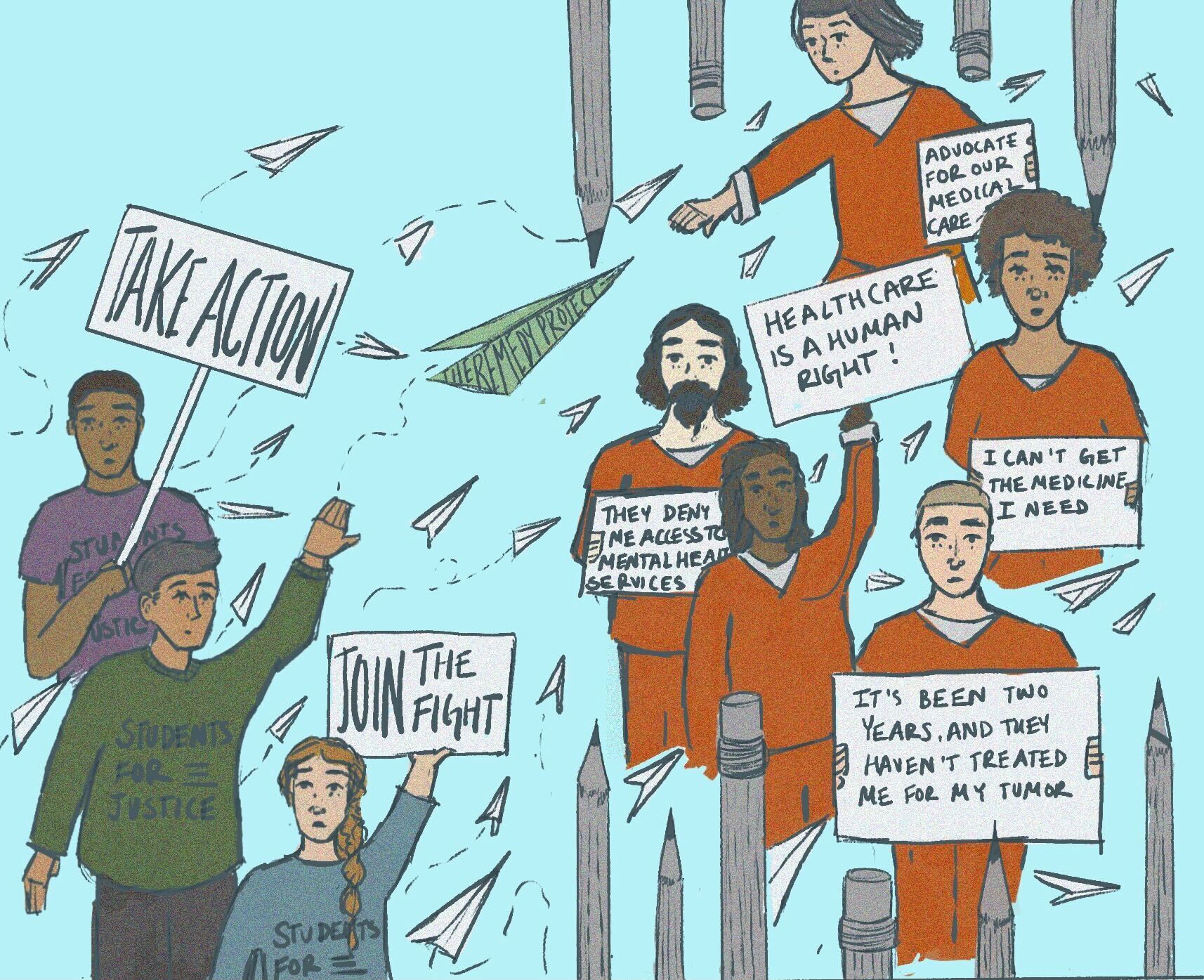
We use data, stories, and art to take control of the public narrative about prison conditions, and we organize local and online actions to call on lawmakers and public officials to address prison conditions. Our goal is to push readers, viewers, listeners, judges, and policymakers to reckon with the forgotten humanity of incarcerated people.

Strategy 2: Impact

Created the Prison Exposed blog to publish student writing and art humanizing incarcerated people, and distribute actions to engage the public on prisoners rights

55
Student written stories
52
Original art pieces published
34
Online actions with hundreds of action-takers

Created an Action Network to recruit and engage supporters nationwide

2,600
Contacts recruited to our email action network
9,000+
social media followers across Instagram and TikTok

Launched the Prison Exposed Podcast

Created and published a Data Dashboard of data from the Bureau of Prisons' administrative remedy process from the last 24 years

Started a biweekly BOP Story Digest for journalists and advocates

STRATEGY 3: BUILD POWER

Student Organizing

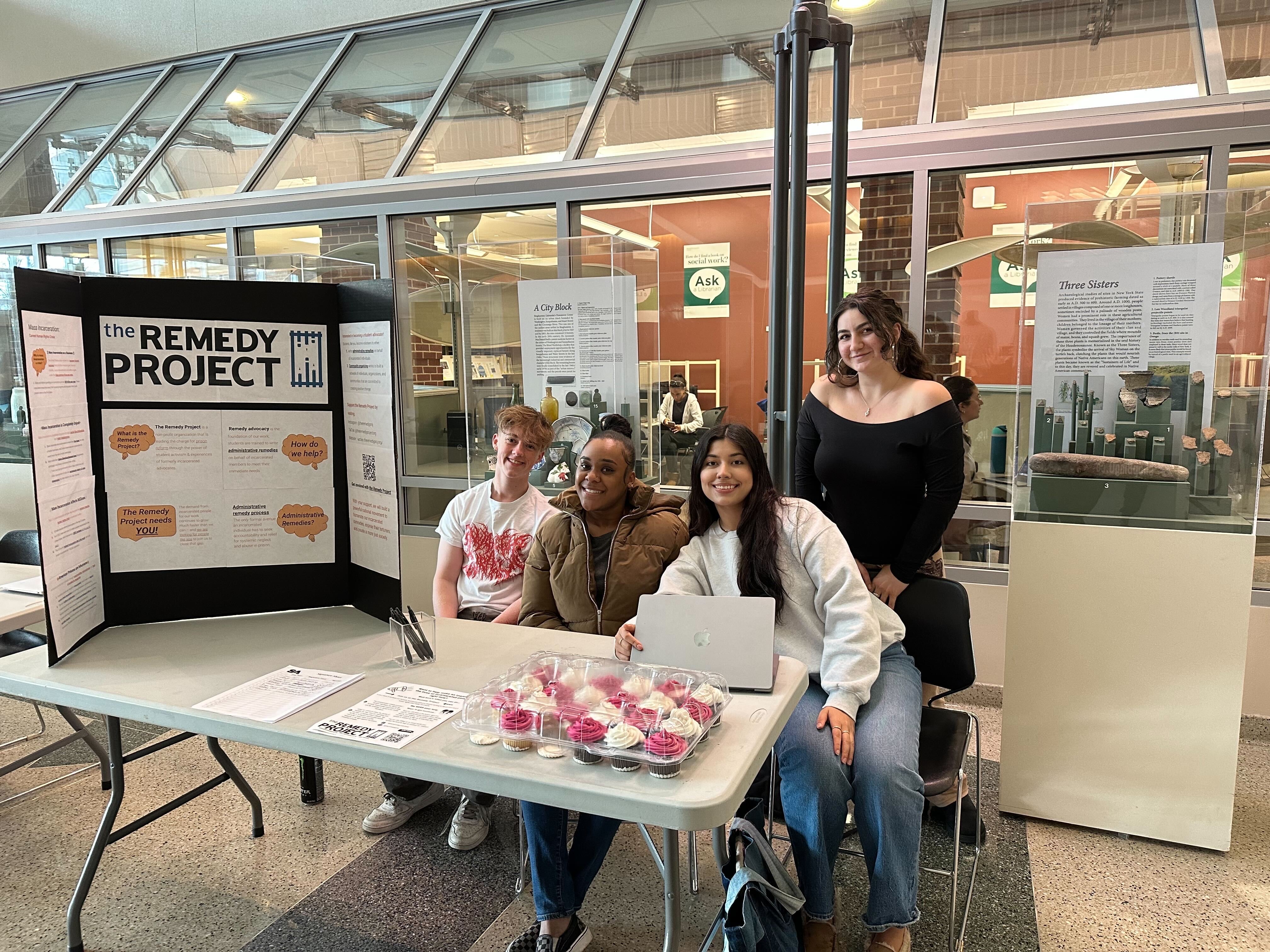
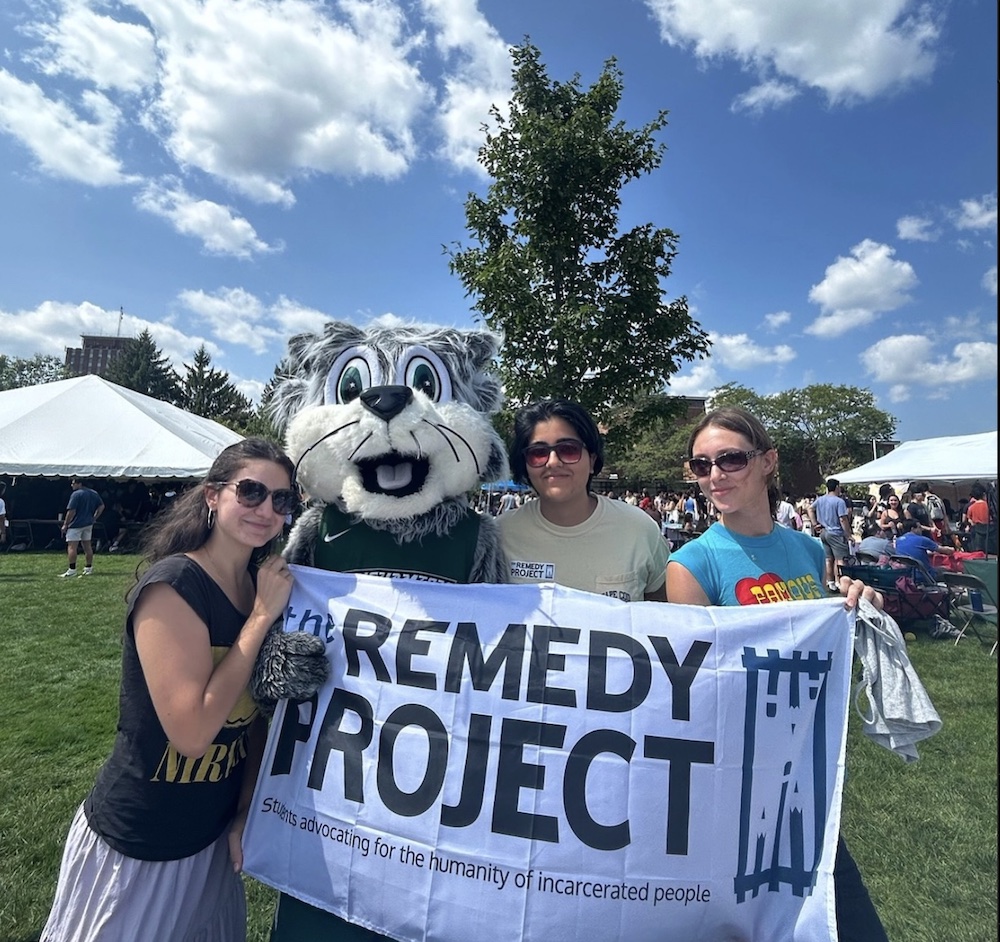
Our work is built and driven by high school, college, and graduate students across the country. Students bring unique assets to the movement: passion, expansive networks, institutional resources, and a reputation for pioneering social change.

By mobilizing young people, we are bringing a rich, untapped, and highly motivated base into the movement against mass incarceration to build a high-capacity, easily scalable organizing infrastructure with relatively low overhead.

We have no trouble recruiting students. In fact, we always have more students ready to get engaged than we have organizing capacity to support them. Today's young people are coming of age during a period of mass social and political upheaval, and many are developing both deep indignation at the injustices around them and cynicism about the possibility for meaningful change. The Remedy Project fills an unmet need by providing students with an opportunity to harness their fear and anger in the service of concrete action.

We are empowering a new generation of leaders with deep empathy for and solidarity with marginalized people, insider expertise and strategic tools to challenge and transform institutions, and the confidence to fight for a more just and healthy future.

Strategy 3: Impact

590
Student volunteers and the infrastructure to recruit, onboard, and manage them
200+
Students enrolled in our administrative remedy training program
38
Student leaders running 10 school-based chapters
3
years of running a competitive summer internship program with 10-15 interns each summer
50,000+
Volunteer hours

"Not only has working at The Remedy Project made me optimistic for the future of mobilizing students, but it has also helped me feel at peace with my future. At the start of sophomore year, I remember feeling so lost – broadly interested in social justice, but lacking focus and often paralyzed by a creeping feeling of imposter syndrome at Barnard. I gained so much self-confidence while working with The Remedy Project. Now, I feel sure about graduate school, and I either want to pursue a law or social work degree, thus allowing me to channel my academic passions into a people-driven practice. I may not necessarily be a lawyer, but I came away from this summer knowing that I want to work with people on a daily basis, implementing social change in a first-hand and tangible way."

— Ceci Zuniga, Student Leader

HINDRANCES AND CHALLENGES

While we are proud of the measurable impact we have achieved, our work also continues to unfold in the face of significant challenges. These obstacles reflect the structural barriers, institutional resistance, and resource limitations inherent to confronting one of the most opaque and powerful systems in the country. Understanding these challenges is essential to fully grasping the scope of our work, the persistence required to sustain it, and the strategic investments needed to deepen and expand our impact moving forward.

01

Overwhelming Demand

We get far more requests for support than we can handle. We have enrolled 1,139 members over the past 5 years—close to 1 new member a day. However, only 40% have had cases opened, and only 19% have had cases written. Our waitlist is already 180 people long, and it grows at the same rate.

02

Resource-Intensive Work

Each administrative remedy requires coordination between the incarcerated person, mentor, and student, plus diligent record keeping, 3+ pages of writing, policy research, and fact-checking. A single case can involve months of correspondence and multiple rounds of administrative remedies.

03

Data Overload

We collect more information than we can analyze or publicize. We focus our limited capacity on doing the actual advocacy work, and sometimes neglect work outside the scope of an immediate complaint. We've struggled especially with tracking remedy case outcomes.

04

Expertise Bottleneck

We have struggled to maintain formerly-incarcerated volunteers, because most people coming out of prison cannot afford or are unwilling to work for free. When David is the only person available to review, it significantly slows down the intake and output of remedy cases.

05

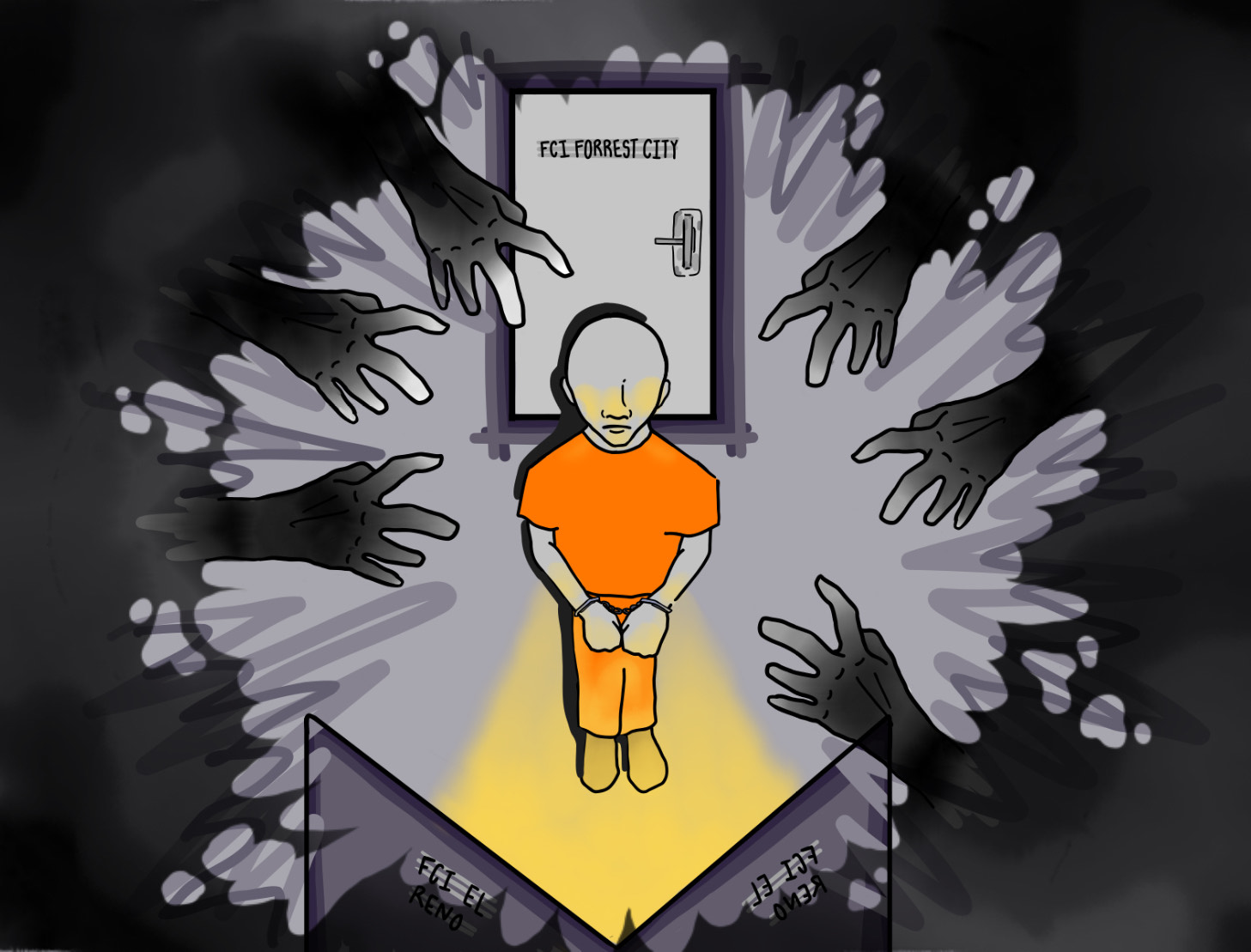
BOP Resistance

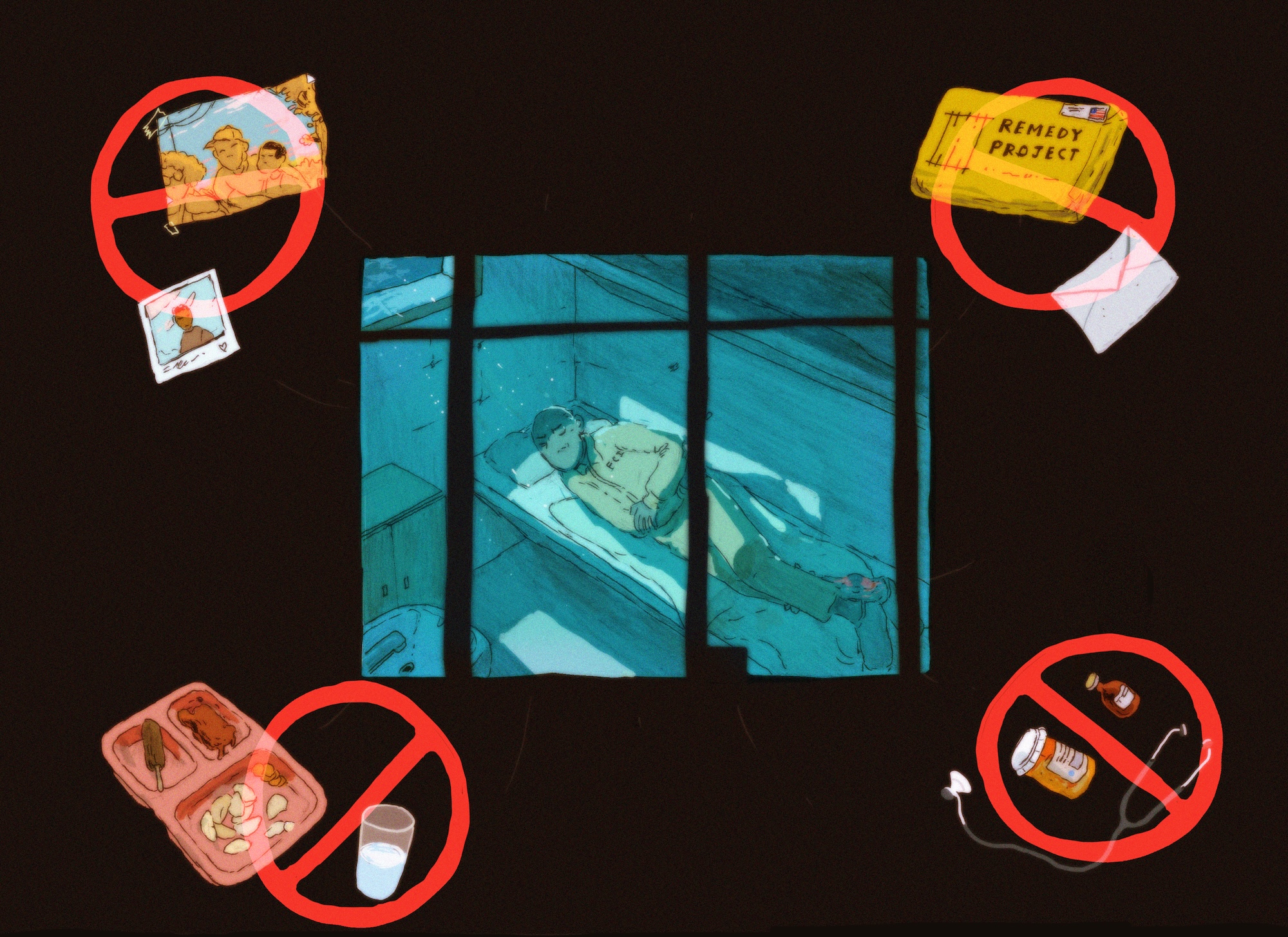
The Bureau of Prisons fights us back. Our "BOP Watchlist" is now more than 15 prisons long—facilities that have removed our email address, blocked our phone number, or illegally returned our mail. Staff also deny access to remedy forms, restrict stamps, and retaliate against filers.
06

Worsening Conditions

Over the last year, we have witnessed increased disregard amongst prison staff for law and policy, and more impunity for guards. With the rise in immigration arrests and detention, there is a new frontier of human rights abuses. Funding for justice-related causes is dwindling.

The throughline across all six challenges: staff capacity.

The Remedy Project's greatest challenges are not due to lack of vision, talent, willpower, or strategic leadership—it's lack of funding. With the number of ideas, students, formerly incarcerated mentors, and organizational partners hanging in the wings, we know our impact could triple tomorrow if we had the funded positions to coordinate it. Full capacity is not a dream. It is already here, waiting to be activated.

OUR VISION

The Remedy Project has two goals for the next five years:

1

Build Everyday Advocacy Capacity

Solidify a robust daily direct advocacy operation, fully staffed and continually onboarding young people into the movement against mass incarceration, stopping the destruction of incarcerated people in real time, and collecting and disseminating data about conditions in the federal prison system.

2

Elevate to a Movement Organization

With this rock-solid foundation, we will be poised to craft larger-scale strategic campaigns to win systemic changes in the prison system. Our real-time stream of information from across the Bureau of Prisons uniquely positions us to identify patterns of abuse and points of attack.

Campaign Targets

Shut Down Abusive Prisons

Using a combination of remedy advocacy, strategic litigation, and campus-based organizing, target particularly abusive facilities.

Repeal the PLRA

Challenge the Prison Litigation Reform Act that has closed pathways for meaningful legal accountability.

Building Our Team

Priority 1

Operations and Development Director

Maintain finances and operations, along with strategic partnerships (including with the Board of Directors and Advisors). Hiring this director first would create the stability, infrastructure, and leadership foundation the organization needs for long-term growth.

Priority 2

Full-Time Formerly Incarcerated Mentor

Fortify daily direct advocacy work and resolve case bottlenecks. We already have a few people in line for this role. Another mentor would double our case numbers and double our human impact.

Priority 3

Communications Director

Manage and tighten our narrative strategy across social media, website, email newsletters, donor correspondence, coalition partnerships, and advocacy letters. This will strengthen our narrative work while helping recruit and retain more donors, supporters, volunteers, and partners.

Priority 4

Student Leader Fellowship

Year-long projects to strengthen daily advocacy, creating internal and external advocacy guides, managing chapters, running trainings, doing on-the-ground support, and developing campaign strategy.

Priority 5

Legal Fellow or Lawyer

Overcome BOP communication obstacles, send legal mail, schedule legal calls and visits, and support strategic litigation. One lawyer would help build and maintain partnerships with lawyers for bigger projects.

Priority 6

Data Fellow

Manage, clean, analyze, and share our data—ideally a PhD student or university researcher with their own funding.

Organizational Growth Plan

Anna Sugrue
Co-Executive Director
Executive Leadership Chair of Board Operations & Finance Fundraising & Development Communications Student Organizing Public Advocacy
David Simpson
Co-Executive Director
Executive Leadership Strategic Development Remedy Advocacy Director
Colin Adams
Remedy Advocacy Director
Remedy Advocacy Program Manager Office Manager Database Manager
Anna Sugrue
Co-Executive Director
Executive Leadership Chair of Board Strategic Oversight Student Organizing
David Simpson
Co-Executive Director
Executive Leadership Strategic Oversight Remedy Advocacy Director Legal Programs
Colin Adams
Remedy Advocacy Director
Remedy Advocacy Program Manager Office Manager Data Director
New Hire
Operations + Development Director
Operations & Finance Fundraising & Development
New Hire
Formerly Incarcerated Mentor
Remedy Advocacy Program Manager
New Hire
Communications Director
Public Advocacy Director Strategic Communications
Fellows
Data, Legal, Student
Data Legal Programs Advocacy Support
Anna Sugrue
Co-Executive Director
Executive Leadership Chair of Board Strategic Oversight Student Organizing
David Simpson
Co-Executive Director
Executive Leadership Strategic Oversight Remedy Advocacy Director Legal Programs
Colin Adams
Remedy Advocacy Director
Remedy Advocacy Program Manager Office Manager Data Director
Mentor 1
Formerly Incarcerated
Remedy Advocacy Program Manager
Mentor 2
Formerly Incarcerated
Remedy Advocacy Program Manager
Operations Director
Operations + Development
Operations & Finance Fundraising & Development
Communications Director
Public Advocacy Director Strategic Communications
New Hire
Organizing Manager
Student Organizing Public Advocacy Manager
New Hire
Staff Lawyer
Legal Programs
Fellows
Data + Student
Database Advocacy Support

WHERE YOUR MONEY GOES

We have spent 5 years building a well-tuned machine that maximizes impact with very low overhead. We need your support to put our machine to work.

2026 Organizational Budget

$793,440
Remedy Advocacy 43.48%
$345,000
Student Organizing 17.52%
$139,000
Operations and Development 14.14%
$112,157.50
Public Advocacy 12.98%
$103,000
Already Pledged for 2026
$250,000
Gap to fill: $543,440

The Remedy Project began as a correspondence between a man in prison and a student who refused to look away.

It grew into a national movement powered by belief: belief that documentation is resistance, that education is liberation, and that partnership between the incarcerated and the free can rebuild the moral fabric of justice.

We have accomplished the impossible with almost nothing.

Imagine what we can do with your support.

To Our Current Funders

Your contributions built this foundation. We invite you to stay with us, to grow with us, and to claim a role in shaping the most innovative accountability network in the federal system.

To New Funders

This is your invitation to join history in the making—to turn compassion into structure, structure into impact, and impact into lasting change.

When future generations ask how accountability finally entered the darkest corners of the American justice system, we want to be able to say: because people like you invested when it mattered most.